
Calçada Portuguesa in Lisbon: A Cobblestone Art Guide
Discover the intricate art of Calçada Portuguesa in Lisbon for 2025. Explore stunning mosaic sidewalks and learn about their history. Plan your walk today!
On this page
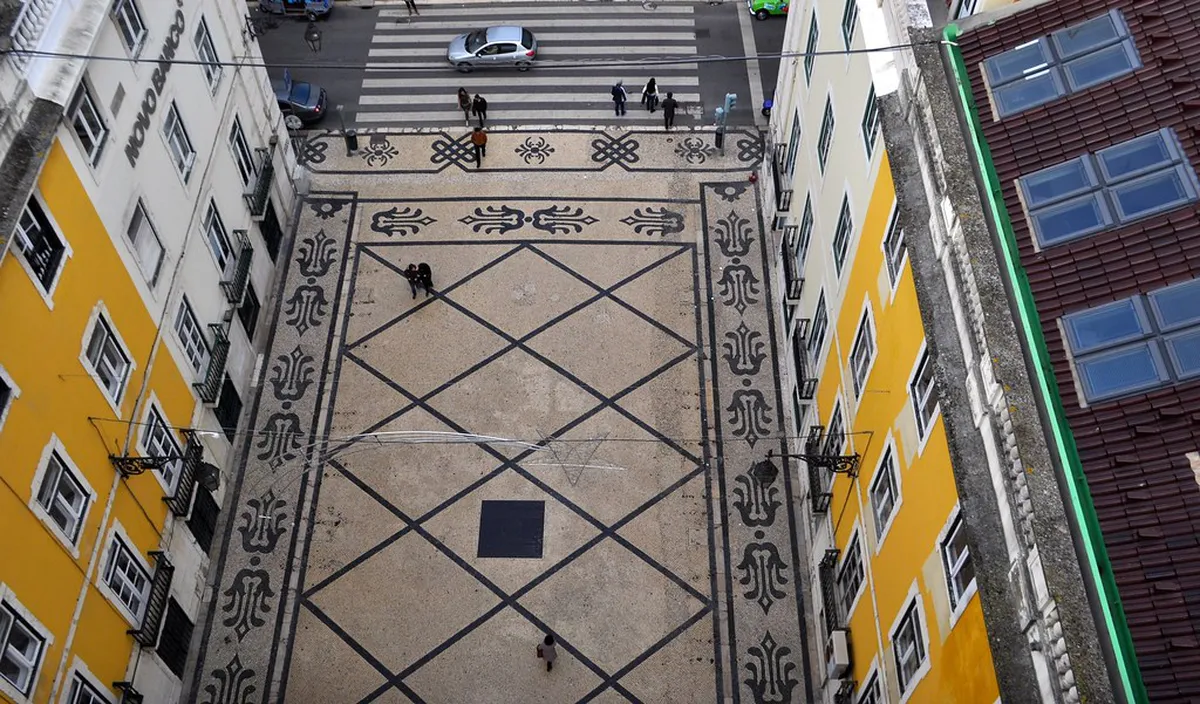
Lisbon's charm truly lies beneath your feet. The captivating Calçada Portuguesa defines its streets. These beautiful mosaic sidewalks tell a unique story. They showcase Portugal's rich artistic heritage.
Understanding this traditional art enhances any visit. You will discover intricate patterns and designs. These pavements are a key part of Lisbon's cobblestone streets guide. Prepare to be amazed by their beauty.
The History and Evolution of Calçada Portuguesa
The art of Calçada Portuguesa dates back centuries. Its origins are in the 19th century. Lisbon's Castelo de São Jorge received the first significant work. This intricate paving style quickly gained popularity.
Early designs often featured simple geometric shapes. Over time, the artistry grew more complex. Black and white limestone creates striking contrasts. This technique became a national symbol.
The craft spread across Portugal and its former colonies. Brazil and Macau also boast stunning examples. These historic pavements define many historic streets in Lisbon. Each design reflects a specific era.
Iconic Calçada Designs Across Lisbon Districts
Lisbon is an open-air museum of Calçada Portuguesa. Rossio Square features a famous wave pattern. This design evokes the city's maritime connection. It is a true masterpiece of public art.
The Baixa district showcases more geometric patterns. Rua Augusta, for instance, has elegant, repetitive motifs. These reflect the district's neoclassical architecture. Consider a Baixa district walking tour to see them up close.
Alfama's narrow alleys reveal unique local designs. Look for traditional symbols like caravels or sea creatures. These delightful details enrich the pedestrian experience. Explore the best Alfama district streets for hidden gems. Many districts offer distinct visual treats in 2025.
The Craft of the Calceteiro: Masters of Stone
Creating Calçada Portuguesa requires skilled artisans. These master craftsmen are known as calceteiros. They meticulously hand-lay each stone. Their precision ensures beautiful and durable pavements.
The process involves selecting, shaping, and fitting stones. White limestone and black basalt are common materials. They are often cut into small, irregular cubes. The calceteiros then arrange them into intricate patterns.
This traditional craft faces modernization challenges. However, efforts continue to preserve this art form. Training schools ensure new generations learn the skill. You might spot calceteiros at work in Lisbon.
Navigating Lisbon's Beautiful Cobblestone Pathways
Walking on Calçada Portuguesa is an essential Lisbon experience. However, these beautiful pavements can be slippery. Especially after rain, the polished stones become slick. Wear comfortable, non-slip footwear for safety.
Many visitors ask, "Why are Lisbon's sidewalks so slippery?" The smooth limestone is the primary reason. Pay close attention to your footing. Consider taking one of the best Lisbon walking routes with care.
Despite the challenges, the visual reward is immense. Look down often to appreciate the art below. Plan your exploration of Lisbon's most beautiful streets. It is an unforgettable journey in 2025.
Frequently Asked Questions
What materials are used for Calçada Portuguesa in Lisbon?
Calçada Portuguesa primarily uses two types of stone. White limestone provides the lighter elements. Black basalt creates the darker contrasts. These natural stones are durable and plentiful in Portugal. They form the iconic patterns you see.
Are Lisbon's Calçada Portuguesa accessible for everyone?
The uneven surface and slippery nature can pose challenges. Wheelchairs and strollers may find it difficult. Many older areas lack modern accessibility features. However, newer parts of the city offer smoother paths. Check specific areas for accessibility on Lisbon streets before visiting.
Where can I find the most impressive Calçada Portuguesa designs?
Many areas boast incredible Calçada Portuguesa. Rossio Square is a must-see for its wave pattern. Praça do Comércio also features grand designs. The Alfama and Bairro Alto districts offer unique local motifs. Explore a map of Lisbon's streets to discover them. Each neighborhood holds artistic treasures.
The art of Calçada Portuguesa in Lisbon is truly captivating. It transforms every street into a canvas. These intricate mosaics are a testament to Portuguese heritage. Remember to wear suitable footwear for your exploration.
Plan your visit to fully appreciate this unique art form in 2025. You can uncover many stunning patterns. Dive deeper into Lisbon's cobblestone streets. Start your artistic journey today!
Key Takeaways
- Always wear non-slip shoes when walking on Lisbon's cobblestones.
- Look closely at the ground to discover unique artistic patterns.
- Visit Rossio Square and Baixa for iconic Calçada Portuguesa designs.