
Lisbon's Historic Streets: A 2025 Walking Guide
Discover the most historic streets of Lisbon in 2025. Wander through ancient neighborhoods, find hidden gems, and plan your perfect trip with our expert guide. Start exploring!
On this page
Lisbon captivates visitors with its timeless charm. Its historic streets tell stories of centuries past. These winding paths offer a unique journey through Portuguese culture. Planning your visit in 2025 promises an unforgettable experience. Explore the most beautiful streets in Lisbon, each with its own character.
You will discover magnificent architecture and breathtaking viewpoints. Cobblestone alleys invite you to explore every corner. This guide will help you navigate Lisbon's most iconic historic streets. Get ready for an adventure in Portugal's vibrant capital.
Alfama: Lisbon's Oldest Historic Streets
Alfama remains Lisbon's oldest neighborhood. Its maze-like alleys survived the 1755 earthquake. This district truly embodies the city's soul. Walking here feels like stepping back in time.
Expect steep hills and narrow, winding paths. Many streets feature traditional Fado houses. You can hear soulful melodies echoing through the evenings. Discover why Alfama is home to some of the best streets for authentic local experiences.
Notable streets include Largo das Portas do Sol. This offers incredible views over the Tagus River. Rua de São João da Praça provides a glimpse into daily life. Remember to wear comfortable shoes for exploring these ancient ways.
Visiting Alfama is largely free, but Fado shows have varying costs. Expect to pay €15-€40 for a dinner and show. Early mornings are best to avoid crowds. This allows for peaceful photo opportunities.
Baixa: Rebuilt Grandeur and Iconic Avenues
The Baixa district showcases Lisbon's resilience. It was completely rebuilt after the 1755 earthquake. Marquês de Pombal designed its orderly grid of streets. This area offers grand squares and impressive architecture.
Rua Augusta is its most famous pedestrian street. It leads to the magnificent Rua Augusta Arch. This bustling avenue is perfect for shopping and dining. Street performers often entertain crowds here.
Other key streets include Rua do Ouro and Rua da Prata. These reflect the old merchant guilds. Baixa is flat and easy to walk through. It is an excellent starting point for any Lisbon exploration.
A Baixa district walking tour typically costs €15-€25. You can also explore independently. Shops usually open from 10 AM to 7 PM. Many restaurants serve lunch and dinner throughout the day.
Bairro Alto: Charming Alleys & Lively Evenings
Bairro Alto is famous for its vibrant nightlife. By day, its charming, narrow alleys remain quiet. They reveal colorful buildings and historic details. This area transforms after sunset.
During the day, explore its unique boutiques. Discover interesting street art on many walls. The peaceful atmosphere offers a different perspective. It is perfect for serene street photography opportunities.
At night, these historic streets come alive. Bars open their doors, spilling music onto the cobblestones. Locals and tourists gather to socialize. This makes it a prime spot for experiencing Lisbon's social scene.
Many bars offer free entry, with drinks costing €5-€10. Most nightlife activity starts around 9 PM. It continues well into the early morning hours. Consider using the Elevador da Bica for an iconic ride.
Chiado & Carmo: Elegant Paths and Cultural Gems
Chiado is Lisbon's elegant and cultural heart. Its streets are lined with historic cafes and theaters. It offers a sophisticated shopping experience. The area has a classic, bohemian atmosphere.
Rua Garrett is a prominent shopping street here. You will find international brands and traditional stores. Largo do Carmo is home to the stunning Carmo Convent ruins. These provide a poignant historical backdrop.
This area blends history with modern vibrancy. It connects easily to Baixa and Bairro Alto. Public transport, like the metro, serves Chiado well. This makes it highly accessible for visitors.
A visit to the Carmo Archaeological Museum costs around €5. Most shops open from 10 AM to 8 PM. Many historic cafes offer delicious pastries. The area is best explored on foot for its rich details. Consider a stop at the famous 'A Brasileira' cafe.
Belém's Grand Avenues: Maritime History Revealed
Belém district boasts wide, historic avenues. These avenues lead to iconic maritime monuments. It's a testament to Portugal's Age of Discoveries. This area is a must-visit for history buffs.
Avenida da Índia runs along the Tagus River. It connects the Jerónimos Monastery to the Belém Tower. The Padrão dos Descobrimentos (Monument of the Discoveries) stands tall here. These sites honor Portugal's explorers.
While not narrow alleys, Belém's streets are deeply historic. They offer beautiful walks by the waterfront. Don't miss the famous Pastéis de Belém bakery. This is a culinary highlight of any visit.
Accessing Belém is easy via Tram 15E or bus. The monastery entrance fee is about €10-€12. It opens from 9:30 AM to 6 PM. Allow a half-day to explore these significant historic sites in 2025. Enjoy a stroll through Belém's historic avenues.
Frequently Asked Questions
What are the most famous historic streets in Lisbon?
Lisbon boasts several famous historic streets. Rua Augusta in Baixa is iconic for shopping. The winding alleys of Alfama offer ancient charm. Rua da Bica provides picturesque views of the city. These streets each tell a unique part of Lisbon's story. Explore the most beautiful streets in Lisbon for a true experience.
How can I best navigate Lisbon's narrow historic streets?
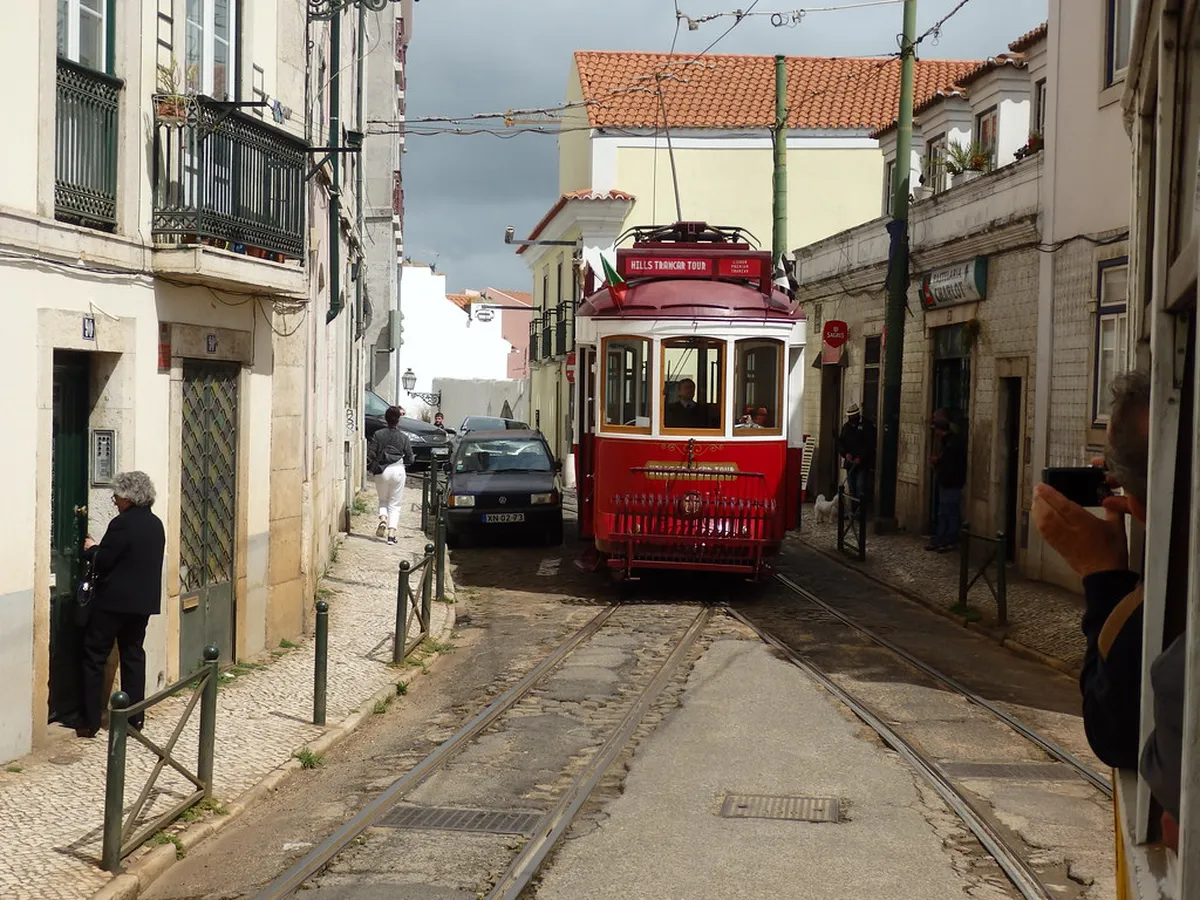
Navigating Lisbon's narrow historic streets is best done on foot. Wear comfortable shoes due to the cobblestones and hills. Many areas are pedestrian-only, especially in Alfama. Using a small electric tuk-tuk can also be fun. Consider a guided Lisbon walking route for an organized tour. Public transport, like trams, serves some hilly areas.
Are Lisbon's historic streets accessible for all travelers?
Lisbon's historic streets present accessibility challenges. Many streets have steep slopes and uneven cobblestones. Wheelchair users may find certain areas difficult. Modern public transport offers better accessibility. Consider a tuk-tuk tour for easier navigation. Plan your routes carefully to avoid very steep paths. Some newer parts of the city are more accessible.
Lisbon's historic streets offer a captivating journey. From Alfama's ancient alleys to Baixa's grand avenues, history awaits. Each cobblestone tells a unique tale of resilience and beauty. Plan your 2025 visit to immerse yourself in this rich heritage. Discover more about the historic walking tours available. Embark on your own exploration of these unforgettable paths.
Key Takeaways
- Wear comfortable shoes for Lisbon's hilly, cobblestone streets.
- Visit Alfama in the morning for fewer crowds and authentic experiences.
- Utilize Lisbon's historic trams and funiculars to navigate steep areas.