
Why Lisbon's Sidewalks Are So Slippery: A Guide
Discover why Lisbon's beautiful cobblestone sidewalks can be treacherous. Learn essential tips to navigate slippery streets safely in 2025. Plan your trip now!
On this page
Lisbon captivates visitors with its charming hilly streets. The city's unique cobblestone pavements, known as calçada portuguesa, are truly iconic. Many travelers wonder, however, why are Lisbon's sidewalks so slippery? This guide reveals the reasons behind the slick surfaces and offers practical advice.
Understanding the challenges of these historic paths is crucial. We will explore the materials, climate, and maintenance aspects. Prepare for your 2025 visit by learning how to navigate Lisbon's cobblestone streets safely.
The Unique Composition of Lisbon's Sidewalks
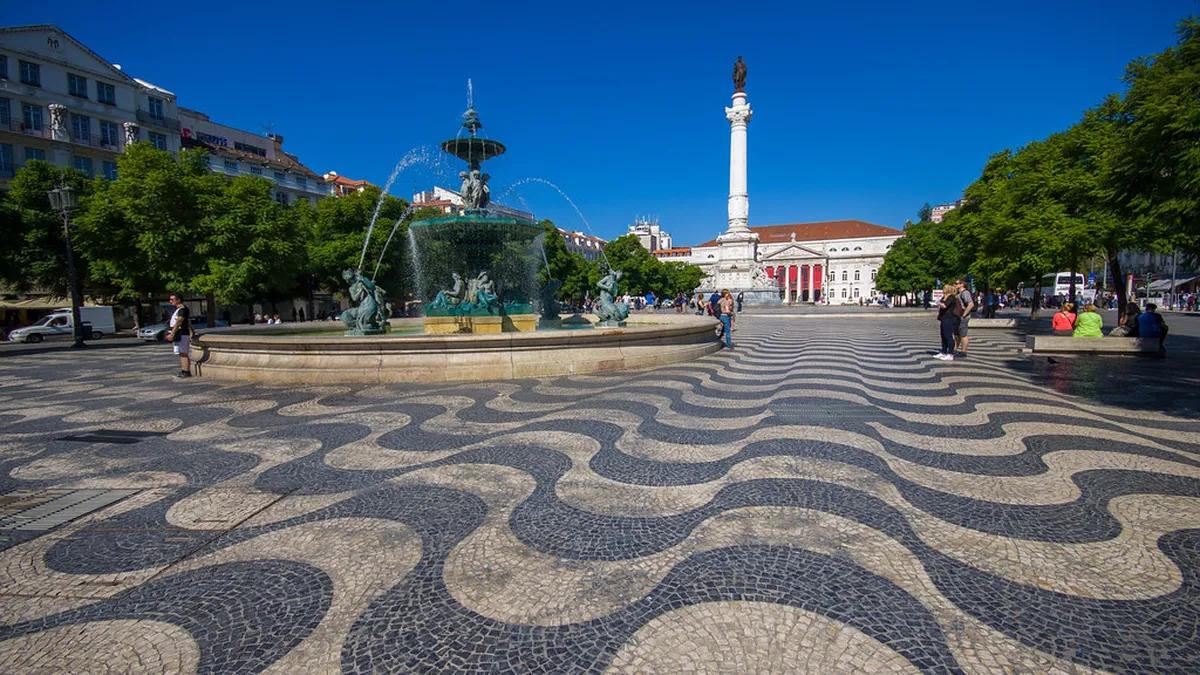
Lisbon's sidewalks are crafted from small, hand-laid limestone and basalt stones. This traditional paving technique, *calçada portuguesa*, dates back centuries. The contrasting white and black stones create stunning mosaic patterns. These intricate designs add to the city's unique charm.
Limestone, a common material, is naturally porous. It absorbs moisture from rain or humidity very easily. Basalt, while harder, can also become slick when wet. This combination contributes significantly to why Lisbon's sidewalks are so slippery.
The stones undergo significant wear and tear over time. Constant foot traffic and weather erode their surfaces. This erosion makes the stones smoother. A smoother surface offers less grip, increasing the risk of slips. These worn stones are a key factor in the slipperiness.
Local artisans carefully lay each stone by hand. This meticulous process ensures beautiful, durable paths. However, the inherent properties of the stones make them challenging to walk on. Especially after rainfall, caution is always advised.
Lisbon's Hilly Terrain and Weather Conditions
Lisbon is famously built on seven hills. This topography means many streets have steep inclines and declines. Walking uphill or downhill on these steep Lisbon streets requires extra effort. The sloped surfaces exacerbate any slipperiness.
Rainfall is a primary culprit for slick sidewalks. Even a light drizzle can make the stones extremely treacherous. The water acts as a lubricant on the smooth stone surfaces. Travelers must be particularly careful during wet weather.
Humidity also plays a role in surface slipperiness. Even without rain, high humidity can cause condensation. This condensation makes the stone surfaces damp and slick. Mornings can be especially hazardous after a humid night.
Cleaning methods sometimes add to the problem. Local authorities regularly wash the streets. While necessary for hygiene, freshly washed sidewalks can be very slick. This residue from cleaning agents can reduce friction further. Always watch your step, especially in 2025.
Maintenance Challenges of Cobblestone Streets
Maintaining Lisbon's *calçada portuguesa* is a monumental task. The hand-laid stones frequently become loose or uneven. Repairs require skilled artisans and specific materials. This process makes maintenance both time-consuming and expensive.
Uneven stones create trip hazards in addition to slip hazards. Gaps between stones can catch footwear easily. The city constantly works on repairs, but the sheer volume of cobblestone means issues persist. Staying vigilant of your footing is essential.
Newer pavements sometimes incorporate non-slip treatments. However, applying these treatments to all historic streets is impractical. Many areas retain their traditional, untreated surfaces. This preserves the historical aesthetic of the city.
Regular wear from vehicles and foot traffic affects stone integrity. Certain areas experience more traffic than others. These high-traffic zones often show more wear. This leads to increased slipperiness over time. Explore Lisbon's most beautiful streets with care.
Choosing the Best Footwear for Lisbon
Selecting appropriate footwear is vital for safety in Lisbon. Opt for shoes with good grip and rubber soles. Trainers or walking shoes are ideal choices. Avoid smooth-soled shoes, especially leather or plastic. These offer minimal traction on slick surfaces.
High heels are generally not recommended for Lisbon's streets. They can easily get caught in cobblestone gaps. Heels also provide very poor stability on uneven or slippery ground. Prioritize comfort and safety above all else.
Waterproof shoes are a smart investment, especially if visiting in wetter months. They will keep your feet dry and comfortable. Dry shoes also help maintain better grip. Lisbon's weather can change quickly, so be prepared.
Break in your shoes before your trip in 2025. New shoes might cause blisters on long walking days. Comfortable, well-fitting footwear prevents discomfort. This allows you to fully enjoy Lisbon's best walking routes without worry.
Practical Tips for Navigating Lisbon's Sidewalks
Walk slowly and deliberately, especially on wet or steep surfaces. Rushing increases the risk of slipping or tripping. Pay close attention to the ground in front of you. Awareness is key when navigating Lisbon's narrow streets.
Use handrails whenever they are available. Many steep streets and staircases have them. They offer crucial support and stability. Don't hesitate to lean on buildings for extra balance if needed.
Consider using public transport for steep climbs. Lisbon offers trams, funiculars, and elevators. These can save your legs and prevent accidents. The iconic Tram 28 route offers a scenic and safe way to explore.
Always check the weather forecast before heading out. If rain is expected, adjust your plans accordingly. Choose routes with wider, less steep sidewalks if possible. Your Lisbon street safety depends on careful planning. Carrying a small umbrella is also a good idea.
Frequently Asked Questions
What specifically makes Lisbon's cobblestones slippery?
Lisbon's cobblestones, called *calçada portuguesa*, are made primarily from limestone and basalt. These natural stones become extremely slick when wet due to their smooth, often worn surfaces. Water acts as a lubricant, reducing friction significantly. Additionally, the city's hilly terrain exacerbates the problem, especially on steep slopes.
Is there a specific time of year when Lisbon's sidewalks are more dangerous?
Yes, Lisbon's sidewalks are generally more dangerous during the wetter months. This period typically runs from October to April. Heavy rainfall or even light drizzle can make surfaces treacherous. Even high humidity without direct rain can create slick conditions. Always exercise caution during these times in 2025.
What kind of shoes should I wear to avoid slipping in Lisbon?
You should wear shoes with excellent grip and sturdy rubber soles. Trainers, hiking shoes, or comfortable walking shoes are highly recommended. Avoid shoes with smooth leather or plastic soles at all costs. Proper footwear significantly improves your safety. Consider Lisbon's best walking routes with the right gear.
Are all of Lisbon's streets made of slippery cobblestones?
While *calçada portuguesa* is iconic, not all streets are equally slippery. Modern areas or main avenues may feature different paving materials. However, many historic districts, like Alfama and Bairro Alto, heavily feature traditional cobblestones. These are the areas where Lisbon's cobblestone streets are most prevalent. Always be prepared for varied surfaces.
Lisbon's slippery sidewalks are an inherent part of its charm and challenge. The beautiful *calçada portuguesa* adds unique character to the city. Understanding the reasons for their slickness helps you stay safe. With the right footwear and mindful walking, you can fully enjoy your visit.
Plan your 2025 trip wisely and prioritize safety. Embrace the beauty of Lisbon's streets while taking necessary precautions. For more tips on navigating the city, explore our full Lisbon street safety guide.
Key Takeaways
- Limestone and basalt cobblestones become very slick when wet.
- Lisbon's hilly terrain makes slippery conditions more challenging.
- Choose shoes with strong rubber soles for maximum grip.
- Walk slowly and use handrails, especially on inclines and declines.
- Check weather forecasts and consider public transport for steep sections.