
Lisbon Street Accessibility: A 2025 Traveler's Guide
Explore Lisbon's street accessibility in 2025. Discover ramps, accessible routes, and essential tips for easy navigation. Plan your accessible Lisbon trip!
On this page
Lisbon, Portugal, captivates visitors with its charming hills and historic streets. The city offers a unique blend of old-world charm and vibrant culture. However, navigating Lisbon's cobblestone streets can pose challenges for some. This guide helps you understand accessibility on Lisbon streets for an enjoyable 2025 visit.
Many travelers wonder about ease of movement with strollers or wheelchairs. We will explore accessible routes and practical tips. Discover how to best experience Lisbon, ensuring a smooth and comfortable journey for everyone.
Understanding Lisbon's Terrain and Accessibility Challenges
Lisbon is famously built on seven steep hills. This creates many inclines and descents across the city. Many streets are also narrow and feature uneven Portuguese cobblestones. These historic elements contribute to the city's unique charm.
The traditional sidewalks can be very narrow or even absent in older districts. This makes general mobility sometimes difficult. Wheelchair users and those with strollers face particular hurdles. Careful planning becomes essential for smooth travel.
Some areas, like the Alfama district, present significant uphill climbs. You will find countless stairs and small, winding alleys. Exploring Lisbon's steepest streets requires careful consideration. Mobility aids might find these paths particularly challenging.
However, Lisbon has made strides in improving accessibility in recent years. New developments often include better infrastructure. Specific routes and transportation options cater to diverse needs. Awareness and preparation help immensely.
Accessible Public Transport Options in Lisbon
Lisbon's public transport system offers varying levels of accessibility. The Metro is generally a good option for mobility-impaired travelers. Most stations have elevators and escalators, providing step-free access to platforms.
Many city buses are equipped with ramps and dedicated spaces. Look for newer buses displaying the international accessibility symbol. These provide a reliable way to get around flatter areas. Check bus routes for specific accessibility information before your journey.
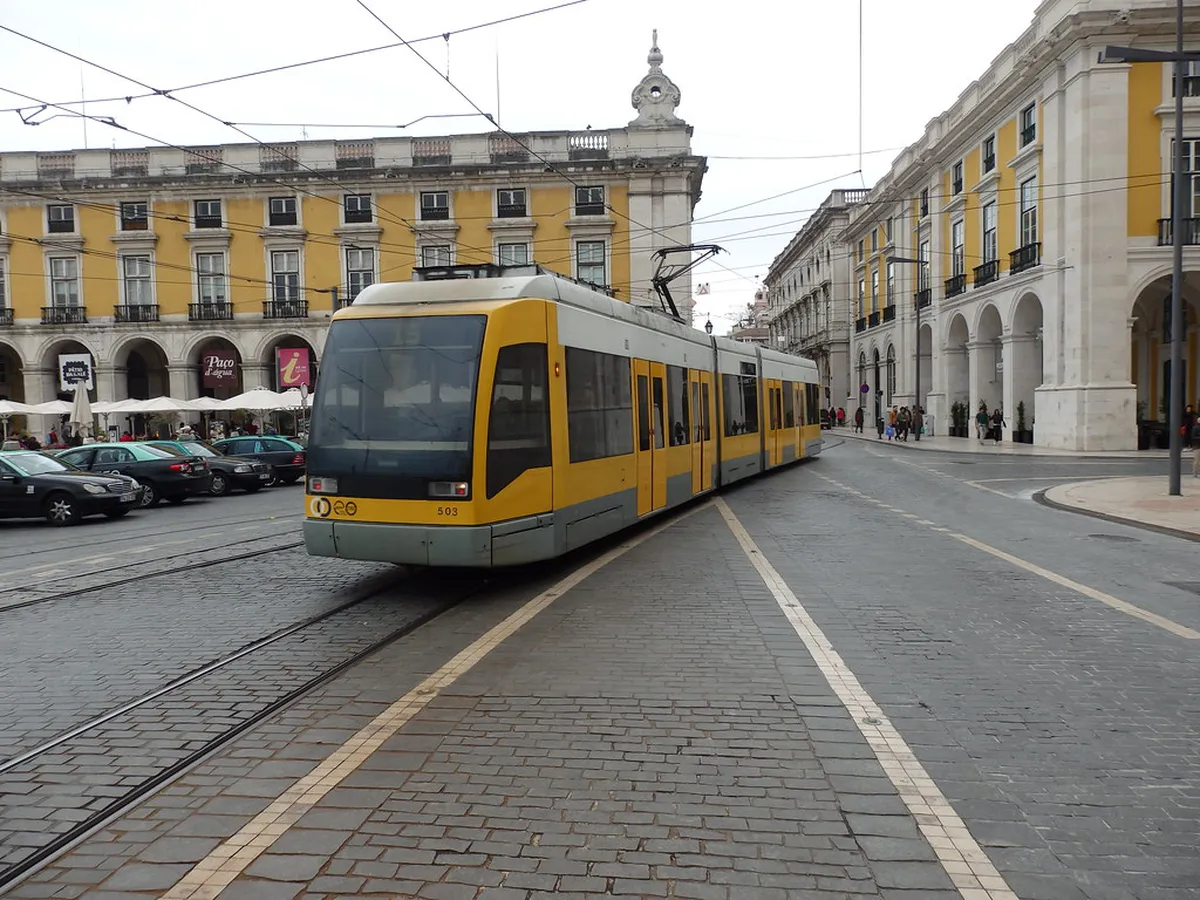
Traditional trams, like the iconic Tram 28, are generally not accessible. Their historic design means they have steps and limited space. However, newer tram lines often feature modern, low-floor vehicles. These offer improved accessibility features.
Several funiculars and elevators connect different levels of the city. The Santa Justa Lift is typically accessible, though often crowded. Always verify operational status and accessibility details beforehand. Planning your public transport to streets ensures smoother travels.
Discovering Wheelchair-Friendly Streets and Districts
Certain areas of Lisbon are significantly more accessible. The Baixa district is largely flat and features wide, grid-patterned streets. This makes it ideal for wheelchair users and strollers. You can easily navigate areas like Rua Augusta Arch and Praça do Comércio.
Parque das Nações, a modern district, boasts excellent accessibility. It offers wide, smooth promenades along the Tagus River. This area is perfect for a relaxed stroll or roll. Enjoy contemporary architecture and beautiful river views.
Belém is another relatively flat district with many accessible attractions. The Belém Tower and Jerónimos Monastery offer some accessible routes. Exploring Belém's historic avenues can be quite pleasant. Check individual attraction websites for specific accessibility details.
For detailed planning, consult maps of wheelchair accessible routes in Lisbon. These resources highlight paths with ramps and smoother surfaces. They help in avoiding challenging inclines and cobblestones. Always plan your route in advance for best results.
Practical Tips for Accessible Travel in Lisbon
Planning is key for an accessible trip to Lisbon in 2025. Always research your desired attractions and routes beforehand. Many venues now provide detailed accessibility information online. This helps manage expectations effectively.
Consider utilizing specialized mobility apps or accessible mapping services. These tools can guide you along smoother paths. They often show locations of ramps and accessible public restrooms. Pre-booking accessible taxis or private transfers is also advisable.
Visiting during off-peak seasons or times can enhance your experience. Fewer crowds mean easier navigation on sidewalks and public transport. This allows for a more relaxed pace. Avoid peak tourist times like summer afternoons.
Pack comfortable footwear, even for companions assisting mobility. The varied terrain can be demanding for anyone walking extensively. For those with mobility issues, consider sturdy wheelchairs or mobility scooters with good suspension. Learn tips for navigating cobblestones with mobility issues. This ensures a more comfortable journey.
Lisbon offers various accessible accommodation options. Look for hotels that specifically advertise accessible rooms and facilities. Confirm these details directly with the hotel. Also, ensure your chosen route aligns with Lisbon's best walking routes for accessibility.
Frequently Asked Questions
Are all of Lisbon's historic trams wheelchair accessible?
No, unfortunately, most of Lisbon's historic trams are not wheelchair accessible. They have steps and limited interior space. Newer tram lines, however, often use modern, low-floor vehicles. These offer much better accessibility features for travelers. The Tram 28 route is famously charming but challenging for mobility aids.
Which Lisbon districts are easiest for wheelchairs and strollers?
The Baixa district is one of the easiest areas due to its flat, grid-like layout. Praça do Comércio and Rua Augusta are very navigable. Parque das Nações also offers wide, smooth promenades. Belém is another good option with many accessible attractions. Consider a Baixa district walking tour for easy exploration.
What kind of specific mobility equipment is best for Lisbon's streets?
For Lisbon's varied terrain, robust wheelchairs or mobility scooters with good suspension are recommended. Larger wheels can better handle cobblestones and slight inclines. Manual wheelchairs might require strong assistance on steeper streets. Consider renting specialized equipment upon arrival. This ensures optimal comfort and safety.
Lisbon's enchanting beauty can be enjoyed by everyone with proper planning. While challenges exist, the city offers many accessible pathways and transport options. Researching your routes and accommodations ensures a smoother trip. Embrace the adventure and explore Lisbon's most beautiful streets with confidence. Plan your accessible journey for an unforgettable experience in 2025!
Key Takeaways
- Prioritize flat districts like Baixa and Parque das Nações for easier navigation.
- Utilize Lisbon's accessible Metro and modern bus lines for transport.
- Always research specific attractions and routes for up-to-date accessibility information.
- Consider sturdy mobility aids and visit during off-peak times for a better experience.
- Booking accessible accommodation and transport in advance is crucial.