
Navigating Lisbon's Cobblestones with Mobility Issues
Discover essential tips for navigating Lisbon's charming but challenging cobblestones with mobility issues in 2025. Find accessible routes and transport. Plan your visit today!
On this page
Lisbon captivates visitors with its rich history and beautiful views. However, its famous hills and uneven cobblestones can pose challenges. Navigating Lisbon's cobblestones with mobility issues requires careful planning. This guide offers practical advice for an enjoyable 2025 trip. You can still experience the magic of this stunning city.
Understanding Lisbon's unique terrain helps greatly. We will explore accessible transport and smoother paths. Prepare yourself for a wonderful adventure in Portugal's capital. Discover how to move around confidently and comfortably.
Understanding Lisbon's Cobblestones and Terrain
Lisbon is famous for its intricate 'calçada portuguesa' cobblestones. These beautiful patterns create an uneven surface. They can be particularly challenging for wheels and walking aids. Many streets also feature steep inclines and declines.
Certain areas offer smoother walking experiences. The Baixa district, rebuilt after the 1755 earthquake, is mostly flat. Its grid-like layout makes it easier to navigate. Exploring the Baixa district is a great starting point. Consider areas like Avenida da Liberdade for wide, relatively smooth pavements.
Equipment choices are important for managing the terrain. Robust wheelchairs with larger, pneumatic tires perform best. Walkers with bigger wheels also offer more stability. Always wear comfortable, supportive shoes with good grip. This helps prevent slips on slick or uneven surfaces.
Remember that many historic areas remain largely untouched. Alfama and Bairro Alto are notoriously hilly and cobblestoned. They present significant challenges for mobility. Research specific routes before you venture out. Plan your visits to these charming districts carefully.
Accessible Transportation Options in Lisbon
Lisbon's public transport system offers several accessible options. The Metro is often the best choice for longer distances. Most stations have elevators and escalators. Look for the international accessibility symbol at station entrances. This indicates wheelchair-friendly access.
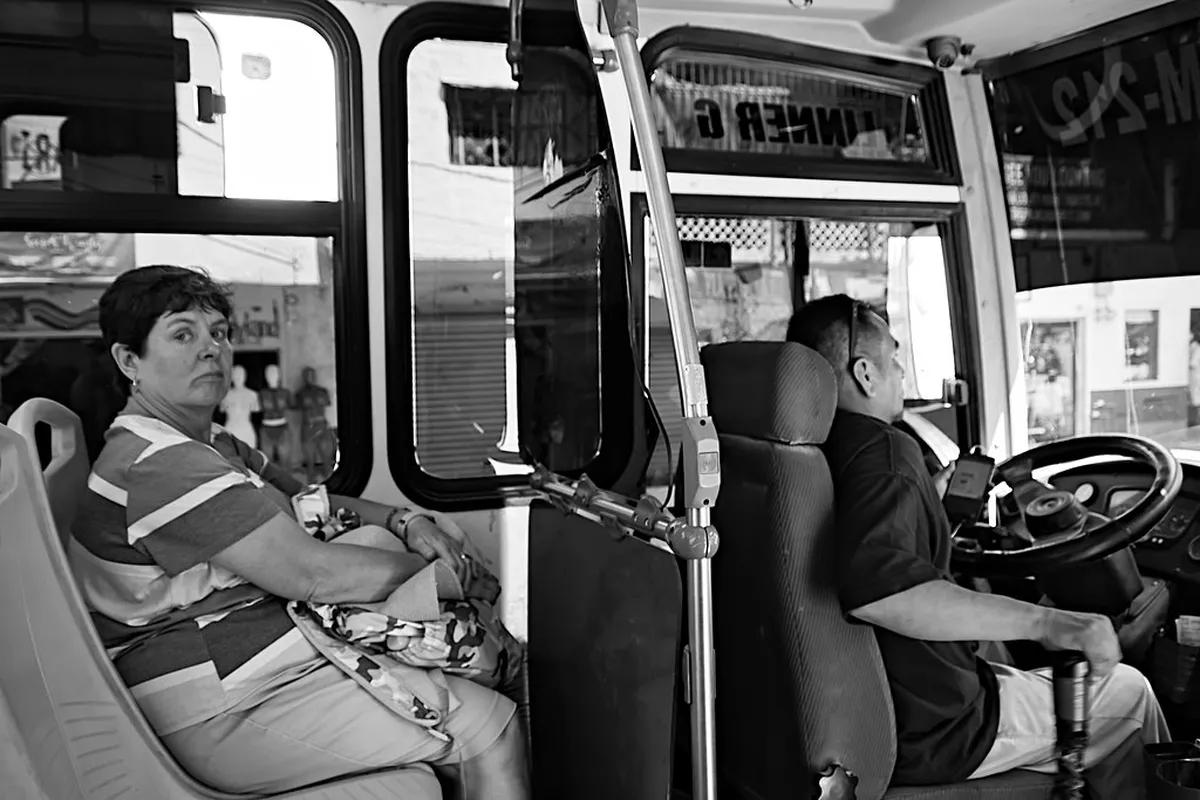
Modern buses are another excellent choice for getting around. Many buses feature low floors and ramp access. They connect various parts of the city efficiently. Always confirm bus accessibility with the driver if unsure. Bus stops are generally easier to access than tram stops.
Historic trams, like the famous Tram 28, are unfortunately not accessible. Their steep steps and crowded interiors pose difficulties. However, newer trams, especially on Line 15, are modern and accessible. These provide a smoother ride to areas like Belém. Consider alternative ways to experience Tram 28's route.
Taxis and ride-sharing services are readily available. Lisbon offers dedicated accessible taxi services. Book these in advance to ensure availability. They can provide a comfortable, door-to-door experience. Always confirm your specific needs when booking these services.
Planning Accessible Routes and Attractions
Careful route planning minimizes mobility challenges in Lisbon. Focus on areas known for their flatter terrain. The Belém district offers wide, flat promenades. Exploring Belém's historic avenues is much easier here. Many museums and monuments in Belém also provide excellent accessibility.
Utilize online resources and maps designed for accessibility. Websites and apps often highlight accessible paths. They also show attractions with ramps or elevators. Look for information on specific venue accessibility before visiting. This proactive approach saves time and prevents frustration.
Consider booking guided accessible tours of Lisbon. These tours use specialized vehicles and routes. They ensure comfortable travel to key sights. Tour guides are also trained to assist travelers with mobility needs. This option simplifies navigating complex city areas.
Prioritize specific attractions known for accessibility. Many modern museums and cultural centers are well-equipped. The Oceanário de Lisboa and the National Azulejo Museum are good examples. Always check their official websites for the latest accessibility information. Call ahead if you have specific questions about access.
Essential Tips for a Smooth Trip in 2025
Preparation is key for a successful accessible trip to Lisbon. Research your accommodation carefully for accessibility features. Confirm ramp access, elevator size, and bathroom layouts. Many hotels now proudly advertise their accessible rooms. Early booking is always advisable.
Always carry a fully charged phone and a portable charger. Use navigation apps that highlight pedestrian-friendly routes. These often show steeper inclines and stairs to help you plan. Having a local SIM card ensures constant connectivity. It also allows for easy communication.
Pace yourself throughout your visit. Lisbon is a city best enjoyed slowly. Plan fewer activities each day to avoid exhaustion. Take frequent breaks at cafes or viewpoints. Enjoying the local atmosphere is part of the experience. Hydration is also very important.
Don't hesitate to ask for help from locals. Portuguese people are generally friendly and helpful. They can offer directions or assistance with difficult patches. Learning a few basic Portuguese phrases will be very beneficial. This shows respect and can ease interactions.
Frequently Asked Questions
Is Lisbon generally considered accessible for wheelchairs?
Lisbon presents mixed accessibility due to its historic layout. Modern areas like Baixa and Belém are quite accessible. However, older districts with steep hills and cobblestones pose challenges. Planning your routes and using accessible transport is crucial. You can find more details on accessibility on Lisbon streets.
What parts of Lisbon are flat and easy to navigate with mobility issues?
The Baixa district is largely flat and offers easy navigation. Avenida da Liberdade features wide, smooth pavements. Belém also boasts flat areas, especially along its waterfront. These areas are ideal for visitors with mobility concerns. Consider starting your exploration in these accessible zones.
Can I rent mobility aids like electric scooters in Lisbon?
Yes, several companies in Lisbon offer mobility aid rentals. You can rent wheelchairs, electric scooters, and walkers. It is best to arrange rentals in advance, especially during peak season. Confirm delivery and pickup options with the provider. This ensures you have the right equipment.
Navigating Lisbon's cobblestones with mobility issues requires thoughtful planning. However, it is entirely possible to enjoy this vibrant city. Utilize accessible transport, plan smoother routes, and embrace a slower pace. Lisbon offers incredible experiences for all visitors. You can create unforgettable memories in 2025.
With these tips, you can explore Lisbon confidently. Don't let mobility concerns deter you from this beautiful destination. Start planning your accessible adventure today. Your incredible Lisbon journey awaits!
Key Takeaways
- Prioritize flat areas like Baixa and Belém for easier navigation.
- Utilize Lisbon's accessible Metro and modern bus network.
- Consider booking accessible tours for a smoother travel experience.
- Choose sturdy mobility aids and comfortable, supportive footwear.
- Pace yourself and allow extra time for exploring Lisbon's charming streets.