
Uncovering the Rich History of Lisbon's Baixa-Chiado Area
Explore the fascinating history of the Baixa-Chiado area in Lisbon, from its earthquake devastation to its vibrant rebirth. Discover cultural landmarks and plan your visit in 2025!
On this page
Lisbon's Baixa-Chiado area holds a deep, compelling history. This central district combines vibrant culture with historical resilience. It tells a powerful story of destruction and rebirth. Exploring its streets reveals layers of the past.
Visitors in 2025 can trace these historical threads easily. It is truly one of the most beautiful streets in Lisbon. Plan a comprehensive Baixa district walking tour to uncover its secrets.
The Great Earthquake and Pombaline Reconstruction
The history of the Baixa-Chiado area begins dramatically in 1755. A devastating earthquake, tsunami, and fires struck Lisbon. The entire Baixa district was almost completely destroyed. This event reshaped the city forever.
Marquês de Pombal led Lisbon's incredible reconstruction efforts. He envisioned a new, earthquake-resistant city plan. The Baixa area was rebuilt with a grid layout. This rational design was revolutionary for its time.
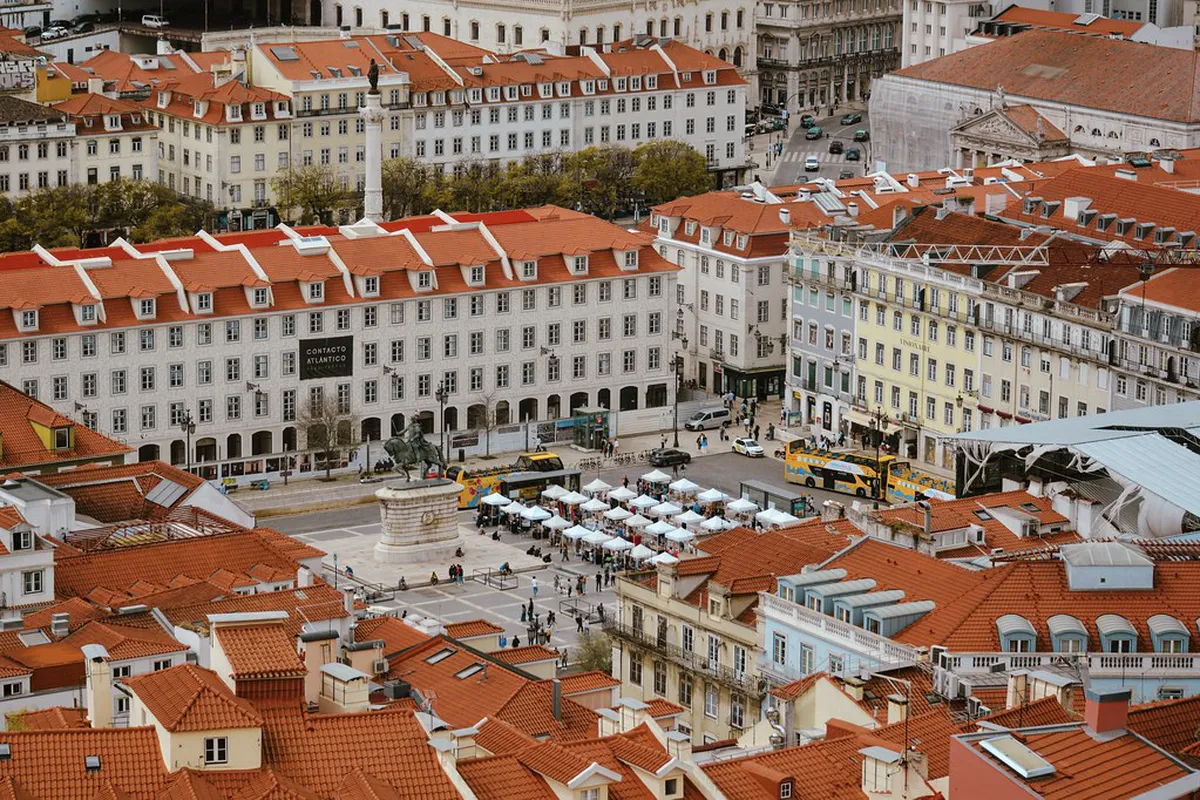
Pombaline architecture defines the Baixa district today. Buildings feature sturdy, uniform facades. These structures included an early anti-seismic design. They remain a testament to innovative 18th-century engineering.
Today, visitors can admire landmarks like the Rua Augusta Arch. Many of these structures form the core of what to see in the Baixa district. This resilient history is felt across Lisbon's historic streets.
Chiado: Lisbon's Cultural and Bohemian Hub
While Baixa was rebuilt, Chiado evolved differently. It quickly became Lisbon's intellectual and cultural heart. The area attracted writers, artists, and thinkers. Elegant theaters and renowned cafes flourished here.
Chiado maintained its charm through the centuries. It became known for its sophisticated boutiques. Today, you can explore many Chiado shopping streets. These shops blend historic elegance with modern appeal.
A notable landmark is the Carmo Convent ruins. These ruins serve as a poignant reminder of 1755. They stand as a testament to the earthquake's power. The nearby Largo do Carmo offers a beautiful square to reflect.
Chiado also holds a bohemian spirit. It shares this artistic vibe with neighboring areas. Bairro Alto's charming alleys are just a short walk away. This blend creates a unique atmosphere for all visitors.
Modern Baixa-Chiado: A Living Legacy
The Baixa-Chiado area today is a dynamic blend of past and present. It serves as Lisbon's bustling commercial center. Modern shops and traditional businesses coexist seamlessly. This fusion offers a rich experience for everyone.
The Santa Justa Lift connects Baixa to the higher Chiado district. This iron marvel offers stunning city views. It reflects the inventive spirit of Lisbon's past. A ride remains a popular activity for tourists in 2025.
Many best Lisbon walking routes include this area. You can discover hidden gems around every corner. Explore both the grand avenues and the smaller side streets. This district showcases Lisbon's diverse urban landscape.
The area also embraces contemporary culture. You might spot vibrant Lisbon street art on some walls. Enjoying traditional food on streets adds to the experience. Baixa-Chiado continues to evolve while honoring its deep roots.
Frequently Asked Questions
What caused the destruction of Lisbon's Baixa in 1755?
The Baixa district was devastated by a massive earthquake. This earthquake occurred on November 1, 1755. It was followed by a tsunami and widespread fires. These combined events destroyed most of central Lisbon.
Who rebuilt the Baixa district after the earthquake?
Marquês de Pombal spearheaded the reconstruction efforts. He was the Prime Minister under King Joseph I. His vision created the grid-patterned Baixa Pombalina. This modern urban planning became a model for European cities.
What makes Chiado historically significant?
Chiado became Lisbon's prominent cultural and intellectual hub. It attracted artists, writers, and playwrights for centuries. This area was known for its elegant cafes and theaters. It remains a vibrant center for culture and commerce.
What is the best way to explore Baixa-Chiado's history?
Walking is the best way to experience the area's rich past. You can discover architectural details and hidden corners. Consider a guided tour for deeper insights. Many tours cover the earthquake and reconstruction stories. Exploring the district on foot reveals its unique cobblestone streets and grand squares. For practical tips on timing your visit, consult a guide on the best time to visit Lisbon.
The history of the Baixa-Chiado area is truly remarkable. It tells a story of devastation, resilience, and rebirth. This district embodies Lisbon's enduring spirit. Discover its historical layers on your next trip to Portugal.
Don't miss a comprehensive Baixa district walking tour. Explore these fascinating streets in 2025. It is an essential part of experiencing the true Lisbon.
Key Takeaways
- The Baixa-Chiado district rose from the ashes of the 1755 earthquake.
- Marquês de Pombal designed the area with innovative, anti-seismic architecture.
- Chiado remains Lisbon's cultural heart, blending history with modern vibrancy.
- Explore on foot to fully appreciate the area's layered historical narrative.