
Rua da Sofia: Why Coimbra's Historic Street is a UNESCO Site
Discover why Rua da Sofia holds UNESCO World Heritage status in Coimbra. Explore its incredible history, Renaissance architecture, and cultural significance. Plan your visit to this important street in 2025!
On this page
Coimbra, Portugal, boasts a rich academic heritage. Its historic university is famous worldwide. Part of this unique heritage includes Rua da Sofia. This street forms a crucial part of Coimbra's UNESCO World Heritage site.
Understanding why Rua da Sofia achieved UNESCO status is fascinating. It reflects centuries of intellectual and architectural development. This article explores its significance. Learn about its history and lasting impact on the city. You will discover its profound importance.
The Birth of Rua da Sofia: A Renaissance Vision
Rua da Sofia emerged during the 16th century. King João III initiated its construction in 1537. This period marked a significant shift for Coimbra. The street was designed to accommodate new university colleges. This plan brought academic institutions closer together.
Its purpose was purely academic from the start. It provided space for religious orders. These orders established their own colleges here. The king aimed to centralize learning in Coimbra. This grand vision transformed the city's urban fabric. It solidified Coimbra's role as Portugal's intellectual hub.
The street's layout reflects Renaissance ideals. It features a wide, straight design. This was innovative for its time in Portugal. Many other historic streets in Coimbra followed medieval patterns. Rua da Sofia broke from these narrow, winding paths. It became a symbol of modernity and progress.
Its creation was part of a broader urban renewal project. The university moved permanently to Coimbra during this era. This move brought new intellectual life. Rua da Sofia was central to this academic expansion. It directly supported the evolving university system.
Architectural Grandeur: Monastic Colleges on Rua da Sofia
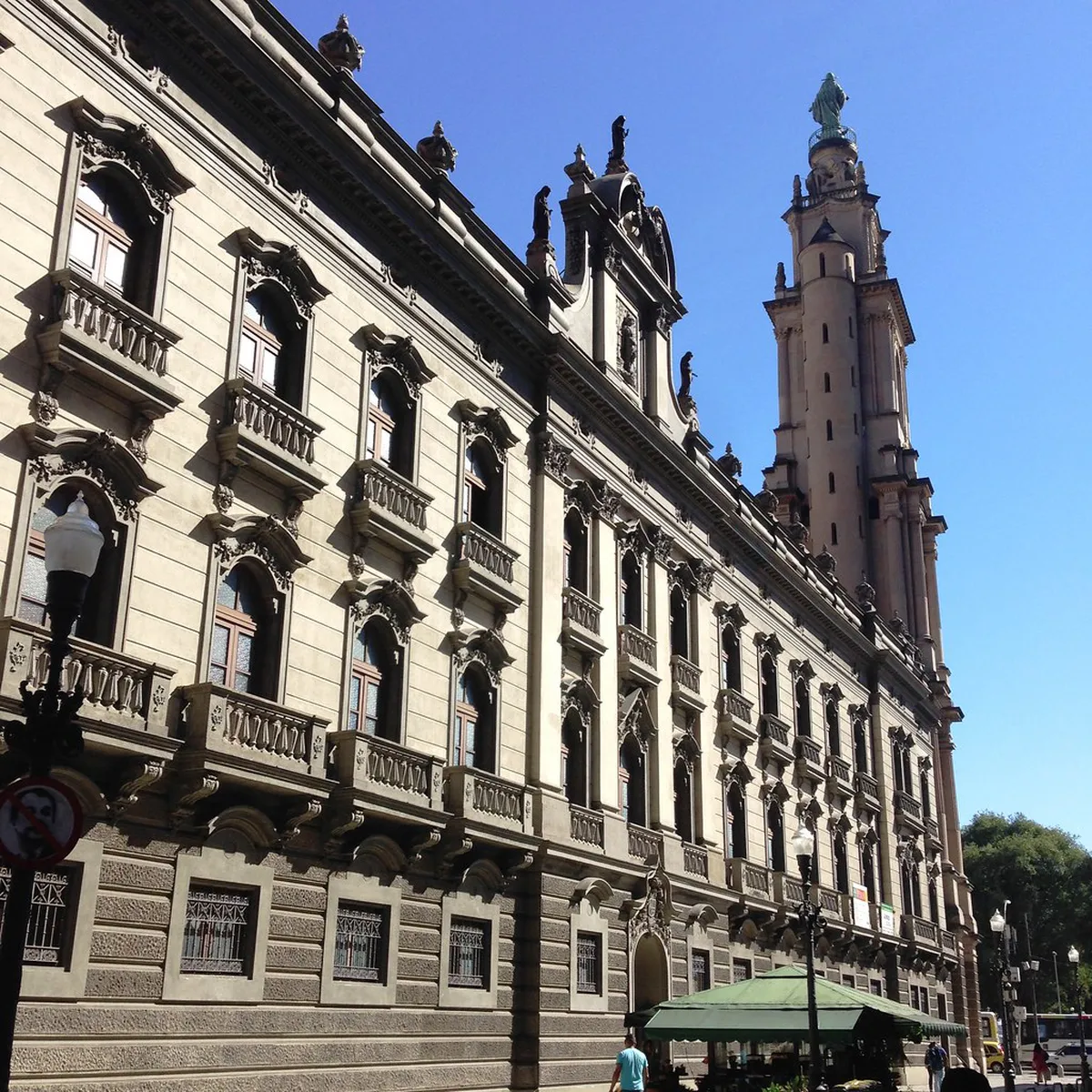
Rua da Sofia is renowned for its impressive architecture. It hosts several historic monastic colleges. These buildings showcase stunning Renaissance styles. Each college represents a chapter in Coimbra's academic story.
Notable institutions include the Colégio de São Jerónimo. There is also the Colégio do Carmo. These colleges were vital centers of learning. They attracted scholars and students from across Europe. Their grand facades still line the street today.
The architecture emphasizes harmony and proportion. You can see classical elements in their design. Stone carvings and intricate details are common. Many buildings feature beautiful courtyards inside. Exploring these structures offers a glimpse into the past. Consider a walking tour of Coimbra's architecture.
These colleges served multiple functions. They provided housing for students and professors. They also contained libraries and lecture halls. Their presence transformed Rua da Sofia into a true academic avenue. It became a living testament to learning. Visiting these colleges on Rua da Sofia is a must.
Coimbra's UNESCO Designation: The Role of Rua da Sofia
Coimbra gained UNESCO World Heritage status in 2013. The designation recognized its significant cultural landscape. It acknowledged the city's extraordinary university complex. This complex includes the Alta and Sofia areas. Rua da Sofia lies within the Sofia component.
The street is integral to Coimbra's UNESCO justification. It exemplifies a unique model of university city. The monastic colleges here contributed greatly. They shaped European university development. Their architectural and historical value is immense.
UNESCO highlighted its Renaissance urban planning. Rua da Sofia's straight axis was pioneering. It showcased new ideas in city design. This planning directly influenced other European cities. Its design philosophy remains historically significant.
The inscription recognized the powerful symbiosis. It noted the relationship between the city and its university. Rua da Sofia perfectly embodies this connection. Its historical function as an academic street is unmatched. It continues to educate and inspire visitors in 2025. Discover more about Rua da Sofia's history.
Exploring Rua da Sofia Today: Your 2025 Visit
Visiting Rua da Sofia offers a step back in time. The street is easily accessible in Coimbra's downtown. You can walk its length leisurely. Allow at least an hour to truly appreciate its sights.
Many buildings remain active today. Some house university departments or cultural centers. Others are private residences. Check local listings for specific opening hours. Most facades can be admired from the street itself.
Look for the intricate details on the college buildings. Notice the coat of arms and various sculptures. Imagine students walking these same paths centuries ago. This rich history truly brings the street to life. A Coimbra walking tour can enhance your experience.
After your exploration, consider a break. Several cafes are located nearby. Enjoy a traditional Portuguese pastry and coffee. This allows you to soak in the local atmosphere. Rua da Sofia connects to other charming streets in Baixa Coimbra.
Beyond Rua da Sofia: Coimbra's Broader UNESCO Heritage
Coimbra's UNESCO site extends beyond Rua da Sofia. The University of Coimbra – Alta and Sofia is the full name. The 'Alta' refers to the upper part of the city. This area includes the historic university buildings. It sits atop a hill, offering stunning views.
The Joanina Library is a highlight in the Alta. This baroque library is breathtaking. It holds thousands of ancient texts. The Royal Palace and Chapel also impress. They showcase centuries of royal and academic history. These sites are essential to the UNESCO designation.
The botanical garden also forms part of the site. It is one of Europe's oldest botanical gardens. Its diverse plant collections are remarkable. It offers a tranquil escape from city life. Plan to spend a full day exploring Coimbra's UNESCO treasures. Consider ascending the Quebra Costas Steps to reach Alta.
The entire area showcases continuous intellectual activity. It represents Portuguese cultural influence worldwide. The rich traditions of Coimbra's student life are also celebrated. From the grand university to the charming streets in Alta Coimbra, every corner tells a story. This holistic view reinforces Coimbra's global importance.
Frequently Asked Questions
What is the best way to explore Rua da Sofia?
The best way to explore Rua da Sofia is on foot. This allows you to admire its Renaissance architecture up close. Wear comfortable shoes for walking around Coimbra. The street is mostly flat and easy to navigate.
Allow at least 30-60 minutes for a casual stroll. You might extend your visit if you enter any college buildings. Guided tours can also provide deeper insights. These tours often cover the street's historical context. Discover nearby local markets too.
Are there specific colleges to visit on Rua da Sofia?
Yes, several historic colleges line Rua da Sofia. The Colégio de São Jerónimo is one prominent example. Another notable institution is the Colégio do Carmo. While not all are open for interior visits, their facades are impressive. Always check for current visiting hours.
Many now house university departments. Some may host public events or exhibitions. You can always appreciate their exterior beauty. They contribute significantly to the street's UNESCO status. Explore these colleges on Rua da Sofia.
How old is Rua da Sofia in Coimbra?
Rua da Sofia dates back to the mid-16th century. Construction began around 1537. This makes the street nearly 500 years old. It was planned during the Portuguese Renaissance period. Its age reflects Coimbra's long academic tradition.
The street's design was revolutionary for its time. It showcased a new urban planning approach. This linear layout was uncommon in medieval cities. Its history is deeply intertwined with the University of Coimbra. Learn more about Rua da Sofia's history.
What other UNESCO sites are in Coimbra?
Rua da Sofia is part of the 'University of Coimbra – Alta and Sofia' UNESCO site. The 'Alta' area includes the historic university buildings. These sit high on a hill overlooking the city. Key highlights are the Joanina Library and Royal Palace.
The botanical garden is also part of this World Heritage site. It is a stunning example of European garden design. Together, these elements form a cohesive cultural landscape. They illustrate Coimbra's enduring academic importance. Enjoy Fado music after exploring these sites.
Rua da Sofia stands as a testament to Coimbra's rich past. Its UNESCO designation is well-deserved. It highlights the street's architectural and historical value. The Renaissance planning remains evident today. It played a pivotal role in establishing Coimbra as a university city.
Plan your visit to this historic street in 2025. Experience its unique blend of history and academia. Explore the grand college facades and nearby attractions. Discover why Coimbra is a true jewel of Portugal. For more travel inspiration, visit Most Beautiful Streets.
Key Takeaways
- Rua da Sofia received UNESCO status for its Renaissance urban planning and historic colleges.
- It was created in the 16th century to centralize university institutions in Coimbra.
- The street features impressive monastic college architecture, reflecting academic grandeur.
- Visit in 2025 to walk its historic length and admire its unique heritage.
- Rua da Sofia is part of the larger 'University of Coimbra – Alta and Sofia' UNESCO World Heritage site.