
Rua da Sofia History: Coimbra's UNESCO Heritage Street
Explore the fascinating Rua da Sofia history in Coimbra, Portugal. Discover its 16th-century origins, academic legacy, and UNESCO status in 2025. Plan your historic visit!
On this page
Coimbra, Portugal, boasts a rich academic heritage. At its heart lies Rua da Sofia, a street brimming with significant history. This street earned UNESCO World Heritage status in 2013. Its origins trace back to the 16th century, shaped by royal decree.
Understanding Rua da Sofia history reveals Coimbra's profound connection to learning. It highlights the city's strategic role in Portuguese education. This article explores its past, architecture, and enduring legacy. Prepare to uncover the secrets of one of Coimbra's historic streets.
Today, Rua da Sofia continues to captivate visitors. It offers a glimpse into a bygone era of intellectual pursuit. For those exploring Portugal, Coimbra is a must-visit. Discover more about the most beautiful streets in Coimbra.
The Royal Decree and Rua da Sofia's Origins
Rua da Sofia's creation was a visionary project. King John III ordered its construction in 1537. This decision aimed to relocate the University of Coimbra. The university needed more space for its growing colleges.
The king sought to revitalize academic life. He envisioned a street dedicated solely to learning institutions. This grand plan would transform the city's lower district. The project aimed to centralize the university's many faculties.
Architects planned the street with great precision. Its wide layout contrasted with Coimbra's narrow medieval alleys. This design allowed for substantial college buildings. Many of these structures remain standing in 2025.
The street was named 'Sofia' after the Greek word for wisdom. This name reflected its primary purpose. It was destined to be a beacon of knowledge. The new street cemented Coimbra's role as an academic hub.
This ambitious urban renewal project shaped Coimbra. It established a distinct academic quarter. This area provided ample room for students and scholars. Learn more about streets in Baixa Coimbra.
A Hub of Learning: Colleges on Rua da Sofia
Rua da Sofia quickly became home to numerous colleges. These institutions were vital to university education. They housed students studying various disciplines. Each college had its unique charter and purpose.
Notable colleges included São Jerónimo and Espírito Santo. Others like Carmo and Graça also flourished there. These colleges offered structured academic environments. Students lived, studied, and worshipped within their walls.
The architecture of these colleges is striking. They feature austere, imposing facades. Many exhibit Renaissance and Mannerist styles. These buildings showcase the period's architectural trends. Explore Coimbra's best streets for architecture.
Life within these colleges was rigorous. Students followed strict academic and religious routines. These institutions played a crucial role. They prepared future scholars, clergy, and public servants. This rich academic past defines Rua da Sofia today.
While most colleges no longer function as residences, their spirit endures. Some now host public offices or cultural centers. Discover more about the colleges on Rua da Sofia. This historic academic core remains integral to Coimbra's identity.
UNESCO Recognition and Enduring Significance
Rua da Sofia, with its unique layout and colleges, gained global recognition. UNESCO inscribed it in 2013. It is part of the 'University of Coimbra – Alta and Sofia' World Heritage site. This designation highlights its outstanding universal value.
The street represents a significant architectural ensemble. It showcases a particular period of urban planning. Its colleges are prime examples of academic architecture. They illustrate the importance of university reform in the 16th century.
UNESCO praised the street's historical integrity. The buildings retain much of their original design. Visitors in 2025 can walk through centuries of history. This status helps preserve its heritage for future generations.
The street is a testament to the power of education. It reflects Coimbra's continuous role as a center of knowledge. Its unique urban morphology tells a compelling story. Learn why Rua da Sofia is a UNESCO site.
This recognition ensures ongoing efforts for conservation. It also promotes cultural tourism. Travelers worldwide come to admire its history. They experience a vital piece of Portuguese and European heritage. Rua da Sofia's history truly resonates globally.
Experiencing Historic Rua da Sofia in 2025
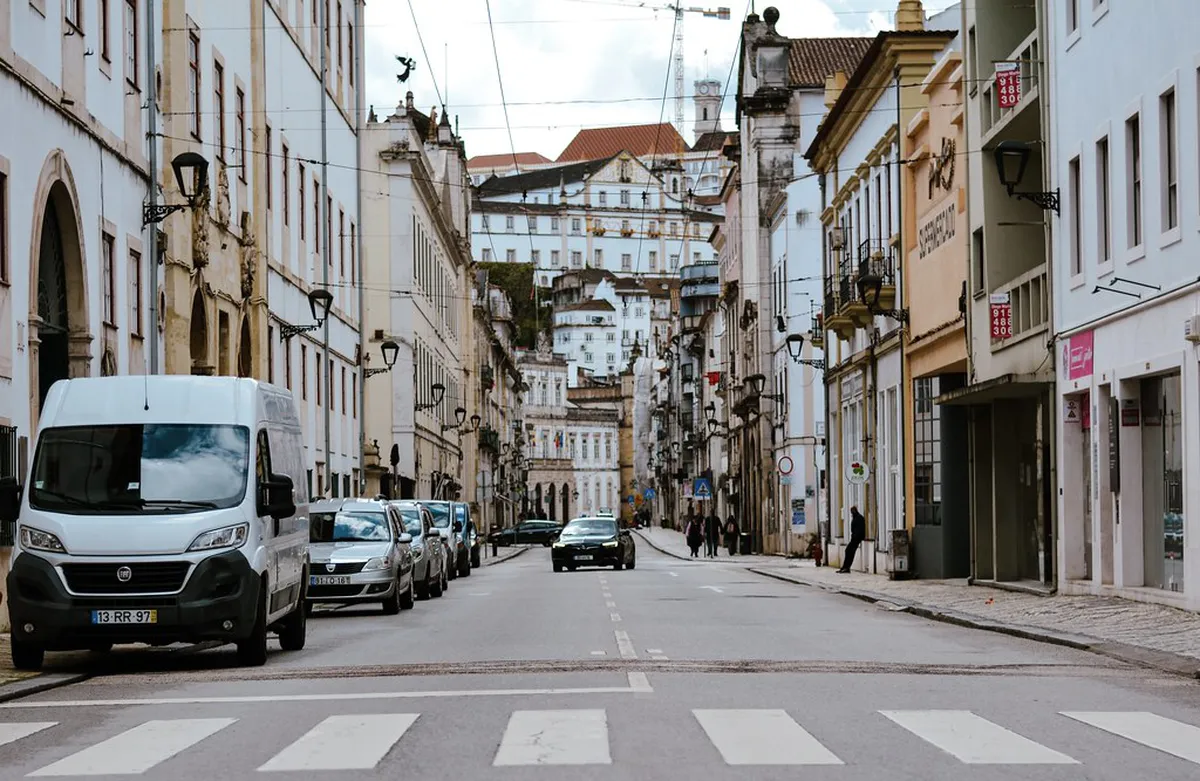
Visiting Rua da Sofia offers a step back in time. You can walk its length and admire the college facades. Imagine the students who once hurried through these very streets. The atmosphere is steeped in academic tradition.
Many college buildings are accessible to the public. Some house modern university departments. Others function as cultural spaces. Check local schedules for guided tours or events. This provides deeper insight into their past lives.
Explore the surrounding area, known as Baixa. This lower part of Coimbra contrasts with the hilltop Alta. The street provides a flat, easy walk. This makes it accessible for many visitors in 2025.
After your historical exploration, relax at a local cafe. Rua da Sofia may not be a primary shopping street, but it offers charm. Enjoy the quiet dignity of this important academic corridor. Consider a Coimbra walking tour route including this street.
For a deeper dive, consider a self-guided architectural tour. Note the Renaissance doorways and stone crests. These details tell stories of powerful patrons and esteemed scholars. Rua da Sofia remains an open-air museum of learning. It perfectly complements a visit to the main streets near Coimbra University.
Frequently Asked Questions
What is the historical significance of Rua da Sofia?
Rua da Sofia holds immense historical importance. It was specially designed in the 16th century. King John III commissioned it for Coimbra's expanding university. It centralized several colleges, becoming a crucial academic hub. This strategic planning reshaped Coimbra's urban landscape. Its UNESCO status highlights its unique historical value.
When was Rua da Sofia built and why was it necessary?
Construction of Rua da Sofia began in 1537. It was necessary due to the University of Coimbra's growth. The university needed more space for its numerous colleges. King John III initiated the project. He aimed to modernize and consolidate Coimbra's academic infrastructure. This allowed for better organization and expansion. The street symbolized a new era of learning.
Which famous colleges were located on Rua da Sofia?
Many significant colleges lined Rua da Sofia. Key institutions included Colégio de São Jerónimo and Colégio do Carmo. Other prominent colleges were Espírito Santo and Graça. These colleges played a vital role in student life. They provided lodging and instruction for generations of scholars. Explore a detailed guide to colleges on Rua da Sofia.
Is Rua da Sofia part of the UNESCO World Heritage site?
Yes, Rua da Sofia is definitely part of the UNESCO World Heritage site. It was inscribed in 2013. The site is officially named 'University of Coimbra – Alta and Sofia'. Its architectural ensemble and historical context were recognized. This designation helps preserve its unique heritage. Discover more about Rua da Sofia's UNESCO status.
Rua da Sofia stands as a monument to Coimbra's academic past. Its 16th-century origins, royal patronage, and collegiate history are compelling. This street embodies the city's enduring commitment to knowledge. It remains a powerful symbol of educational reform.
As you explore Coimbra in 2025, make time for Rua da Sofia. Its UNESCO status ensures its preservation and significance. Walking its length offers a profound connection to history. Experience the wisdom embedded in its ancient stones. Plan your visit to this incredible Coimbra old town street today.
Key Takeaways
- Rua da Sofia was a 16th-century royal project to centralize Coimbra's university colleges.
- The street and its colleges are part of a UNESCO World Heritage site since 2013.
- It offers a unique architectural and historical insight into Portuguese academic life.
- Many original college buildings remain, some repurposed for modern use.