
Rua da Bainharia History: Porto's Ancient Textile Street
Discover the fascinating Rua da Bainharia history in Porto. Explore its medieval past as a textile hub and its charm today. Plan your visit to this historic street!
On this page
Porto, Portugal, boasts many enchanting streets. Among them, Rua da Bainharia holds significant historical charm. This ancient street winds through the city's heart. Its name itself tells a story.
Understanding Rua da Bainharia history reveals Porto's past. It was once a bustling center for textile crafts. This street offers a unique glimpse into medieval life. Explore other historic streets in Porto for more insights. Get ready to step back in time on this fascinating journey.
Tracing the Ancient Origins of Rua da Bainharia
Rua da Bainharia's roots stretch back centuries. Its origins are deeply tied to Porto's early development. Records suggest its existence from the 14th century. It served a crucial role in medieval Porto.
The street's name directly translates to "street of sheathing." This refers to a specific textile craft. Skilled artisans made linings and casings here. Such crafts were vital for clothing and goods.
This area was part of Porto's oldest urban core. It sat close to the city walls. Its strategic location fostered trade and craft. Many Porto streets evolved from these ancient pathways. Rua da Bainharia remains a testament to this heritage.
Its narrow, winding path reflects medieval planning. Modern city planning would be very different. These original layouts still define much of the old city. Visitors can experience Porto's cobbled streets firsthand here.
Rua da Bainharia: A Hub for Medieval Crafts
The name "Bainharia" comes from 'bainha'. This Portuguese word means 'hem' or 'sheath'. It signifies the street's historical profession. Artisans specialized in creating borders and finishes.
These 'baínha makers' were crucial for the textile industry. They provided skilled handwork for garments. Their craft ensured quality and durability. This specialisation was common in medieval guilds.
Rua da Bainharia was not just for textiles. It supported a vibrant community. Other small trades likely thrived nearby. Streets like Rua das Flores also grew from such craft traditions. It was a bustling economic center for its time.
Evidence of these guilds often lies in street names. Porto is rich with such historical markers. Exploring these names tells a rich story. These names are vital for understanding the city's past.
Transformation Through the Centuries: From Guild to Gallery
Rua da Bainharia history shows continuous evolution. Over time, the textile crafts waned. New trades and residents moved into the street. The area adapted to changing times.
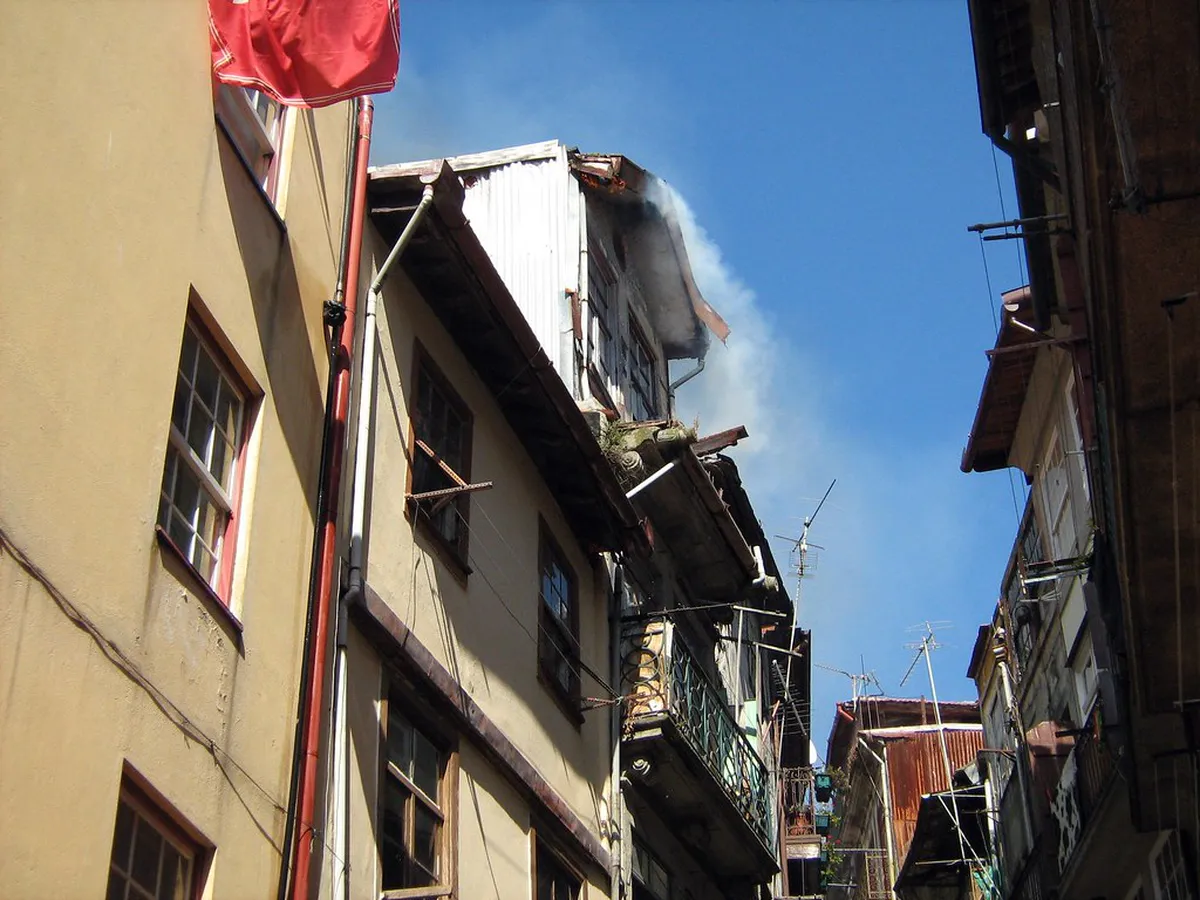
Many traditional buildings still stand today. They showcase typical Porto architecture. Expect charming, multi-story structures. Some feature Porto's colorful houses. Their facades tell silent stories of bygone eras.
In recent decades, regeneration efforts took place. Older buildings found new life. They now house small shops, cafes, and apartments. This revitalization preserves its historical character. It also brings modern vibrancy.
The street maintains its old-world charm. It continues to attract artists and photographers. Its unique atmosphere makes it special. Many seek to capture its timeless beauty through street photography. This blend of old and new defines its appeal.
Rua da Bainharia Today: A Glimpse into Porto's Past
Visiting Rua da Bainharia in 2025 offers a unique experience. It is still a narrow, atmospheric street. You can almost hear echoes of medieval artisans. This street remains relatively untouched by heavy tourism.
It provides a quiet escape from busier areas. Yet, it is very close to major attractions. The street connects to the historic Ribeira district. This makes it an ideal spot for exploration.
Finding Rua da Bainharia is easy. It sits between the Cathedral and Cais da Ribeira. Use the guide to finding Rua da Bainharia. A short walk from São Bento station is all it takes.
Expect steep inclines and cobbled paths. Comfortable walking shoes are highly recommended. Take your time to appreciate the details. Consider a leisurely Cais da Ribeira walk afterward. Enjoy the views and rich history surrounding you.
Exploring Rua da Bainharia: Practical Tips for Visitors
Rua da Bainharia is best explored on foot. Allocate about 30-60 minutes for a relaxed stroll. This allows time to absorb its unique atmosphere. There are no direct vehicle access points.
The street is always open, with no specific hours. Shops and cafes generally open from 10 AM to 6 PM. These hours might vary. Always check individual business timings for 2025.
Costs for visiting are minimal, mostly for personal expenses. You might grab a coffee or a local pastry. Prices for these are generally budget-friendly. This street is perfect for budget-friendly Porto walks.
Consider visiting during off-peak hours for fewer crowds. Early mornings or late afternoons are ideal. The light is also beautiful for photos then. This helps you truly appreciate its ancient character.
Frequently Asked Questions
Why is Rua da Bainharia considered one of Porto's oldest streets?
Rua da Bainharia history dates back to the 14th century. Its structure and location point to ancient origins. It developed within Porto's original city walls. It represents an early urban development. Learn more about Porto's oldest streets here.
What kind of crafts were practiced on Rua da Bainharia historically?
Historically, Rua da Bainharia was home to 'baínha makers'. These artisans specialized in textile finishing. They created hems, linings, and sheaths. This craft was vital for medieval clothing.
Is Rua da Bainharia still a residential street today?
Yes, Rua da Bainharia remains a residential street. It features a mix of homes and small businesses. This blend contributes to its authentic atmosphere. Many Porto's narrow streets maintain this residential charm.
How can I best experience the historical feel of Rua da Bainharia?
To best experience its history, walk slowly. Pay attention to the architecture. Imagine medieval life unfolding there. Combine it with nearby Porto walking routes for a full experience. This street truly transports you back in time.
Rua da Bainharia history offers a captivating journey. It connects visitors to Porto's medieval past. From ancient crafts to its current charm, the street tells a rich story. Plan your visit to this unique historical gem. Discover more fascinating destinations at Most Beautiful Streets.
Key Takeaways
- Rua da Bainharia was Porto's medieval textile hub for 'baínha makers'.
- Its narrow path reflects 14th-century urban planning, connecting to the Ribeira district.
- Visit in 2025 during off-peak hours for a tranquil historical experience.
- Wear comfortable shoes to navigate its cobbled, sometimes steep, terrain.
- It offers a blend of historic architecture and modern revitalization.