
History of Porto's Azulejo Tiles: A Rich Legacy
Uncover the fascinating history of Porto's azulejo tiles. Learn about their origins, evolution, and discover where to find these ceramic masterpieces in 2025. Plan your visit!
On this page
Porto captivates visitors with its vibrant culture. Yet, nothing quite defines its visual charm like azulejo tiles. These beautiful ceramic panels adorn countless buildings. They tell stories of art, faith, and daily life. Let's delve into the rich history of Porto's azulejo tiles, exploring their origins and evolution.
The Moorish Roots of Portuguese Azulejos
Azulejos have a deep, ancient past. Their journey began with Moorish influences in the Iberian Peninsula. The word 'azulejo' itself comes from Arabic, meaning 'polished stone'. These early tiles featured intricate geometric patterns.
Moorish art often prohibited human or animal depictions. Therefore, abstract designs became dominant. They served both decorative and practical purposes. Tiles cooled interiors and protected walls.
Portugal embraced this tile tradition. Local artisans began adapting techniques. Over centuries, these influences blended. This created a distinct Portuguese style. Discover more about beautiful streets worldwide.
Portugal's Golden Age: Blue and White Masterpieces
The 16th century marked a significant shift. Portuguese kings imported tiles from Seville, Spain. Later, Italian Renaissance influences arrived. This brought new pictorial styles and vibrant colors.
However, the 17th century introduced another major change. Dutch Delftware became highly popular. Its iconic blue and white aesthetic captivated the Portuguese. This led to a widespread adoption of blue and white patterns.
Mass production soon followed. Churches, palaces, and homes featured these stunning tiles. Biblical scenes, historical events, and allegories covered entire facades. This era solidified the azulejo's place in Portuguese art.
The devastating 1755 Lisbon earthquake prompted rebuilding efforts. Azulejos played a key role in reconstruction. They offered both beauty and resilience. This further cemented their legacy in historic Portuguese cities like Porto.
Porto's Azulejo Revival: Stories on Every Street
The 19th century brought an azulejo revival. Industrialization made tiles more accessible and affordable. Porto, a thriving port city, embraced this art form enthusiastically. Buildings across the city became canvases.
Architects and artists used azulejos for grand public works. They depicted local history, trade, and religious narratives. This turned many of Porto's streets into open-air galleries. The city's unique style began to flourish.
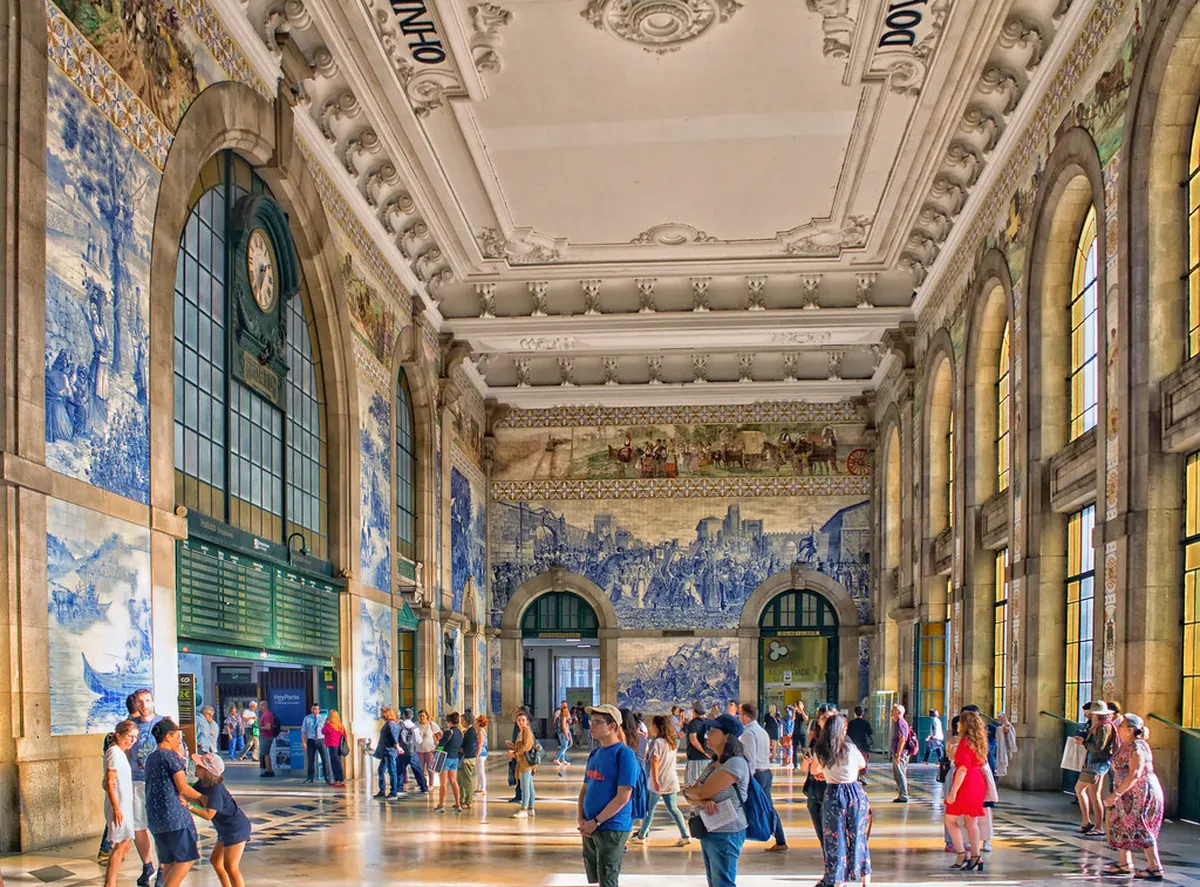
Iconic locations showcase this period. The São Bento Railway Station is world-famous for its panels. The Carmo and Carmelitas churches also boast incredible tiled facades. These tell a visual story of Porto's rich past.
Visitors in 2025 can still admire these wonders. They truly capture the soul of the city. The most beautiful streets in Porto often feature these ceramic treasures. Exploring them is like stepping into a living museum.
Finding Porto's Historic Azulejo Masterpieces
Discovering Porto's azulejos is an unforgettable experience. Beyond the major landmarks, many smaller buildings feature intricate designs. Take your time wandering through the city's historic center. Look up at the building facades.
Walk along Rua de Santa Catarina to see the Capela das Almas. Its blue and white tiles are truly stunning. The Igreja de Santo Ildefonso also boasts impressive exterior panels. Many local cafes and shops have beautiful azulejo details too.
Consider a self-guided walking tour focused on azulejos. You can create your own route. This allows you to discover hidden gems. Always bring your camera for fantastic photos. Early mornings offer fewer crowds for photography.
Modern Azulejos and Preservation Efforts
The tradition of azulejo making continues today. Contemporary artists explore new styles and themes. They blend traditional techniques with modern aesthetics. You can find vibrant, colorful new works. Porto embraces both its past and future art.
Preserving these historic tiles is crucial. Many older buildings face environmental damage. Efforts are ongoing to restore and protect these precious artworks. Some local workshops offer restoration services.
Visitors can support this legacy. Purchase authentic azulejos from local artisans. Respect the tiles when exploring the city. Learn more about Porto's vibrant street art scene, including azulejos.
Frequently Asked Questions
What is the origin of azulejo tiles in Portugal?
Azulejos originated from Moorish influences in Spain. They arrived in Portugal during the 15th century. Early tiles featured geometric patterns. Portuguese artisans soon developed their own distinct styles. The word 'azulejo' itself has Arabic roots.
Where are the most famous azulejo tiles in Porto located?
Porto boasts several iconic azulejo locations. The São Bento Railway Station is a must-see. The Capela das Almas on Rua de Santa Catarina is another highlight. Also visit the Igreja do Carmo for its intricate facade. Explore these spots on a Porto walking route.
Are azulejo tiles still produced in Porto today?
Yes, azulejos are still actively produced in Porto. Many artisans maintain traditional methods. They also create modern interpretations of the art form. You can visit workshops and purchase authentic tiles. This helps keep the tradition alive. Look for local shops that specialize in ceramic art.
The history of Porto's azulejo tiles is rich and captivating. From Moorish roots to modern interpretations, these ceramic works tell a story. They are an integral part of the city's identity. Plan your visit to Porto in 2025. Discover these stunning visual narratives for yourself. Explore the street art of Porto and be enchanted.
Key Takeaways
- Azulejos originated from Moorish art, evolving into a distinct Portuguese tradition.
- Porto's azulejos reached prominence in the 19th-20th centuries, adorning public buildings with historical narratives.
- Visit São Bento Station, Capela das Almas, and Carmo Church for stunning tile masterpieces.