
Discover Faro's Moorish Architecture Street Examples
Uncover Faro's rich Moorish architecture street examples in 2025. Explore ancient alleys, detailed facades, and historic charm. Plan your visit now!
On this page
Faro, the capital of the Algarve, boasts a rich history. Its charming streets tell tales of many civilizations. Among these, the profound Moorish influence on Faro's streets remains evident. This heritage shaped the city's architecture and layout.
Discovering Faro's Moorish architecture street examples offers a unique journey. You will explore ancient alleyways and intricate details. Prepare to step back in time through these fascinating historical paths in 2025. Explore the history of Moorish Faro city streets and their enduring beauty.
The Enduring Moorish Influence on Faro's Layout
The Moors ruled Faro for over 500 years. Their occupation began in the 8th century AD. This era profoundly shaped the city's urban fabric. The defensive walls and street patterns show this legacy.
Faro's Old Town, known as Vila Adentro, reveals much. Its narrow, winding streets reflect Moorish urban planning. These pathways were designed for defense and shade. They provided shelter from the hot Algarve sun. Explore Vila Adentro's alleys for a true experience. You can almost hear echoes of the past.
The Islamic Golden Age brought advancements. Water systems and agricultural techniques flourished. These innovations impacted daily life in Faro. The city became a vital trading port. Many old town Faro streets still retain their ancient charm today. They invite visitors to wander and discover.
Faro's strategic coastal position was crucial. It served as a bridge between Europe and North Africa. This facilitated cultural and architectural exchange. The city's original defensive structures reflect Moorish engineering. You can still see remnants of these ancient walls. They stand as a testament to Faro's fortified past.
Even after the Reconquista, Moorish elements persisted. New structures often incorporated existing foundations. Local building techniques sometimes kept design principles. This blend created a unique architectural style. Faro uniquely combines both Iberian and North African influences. Learn more about traditional Faro architecture.
Vila Adentro: Traces of Moorish Architecture
Vila Adentro stands as Faro's historic core. It is encircled by ancient Roman and Moorish walls. This area is a prime spot for Moorish architecture street examples. The cobbled paths guide visitors through centuries of history.
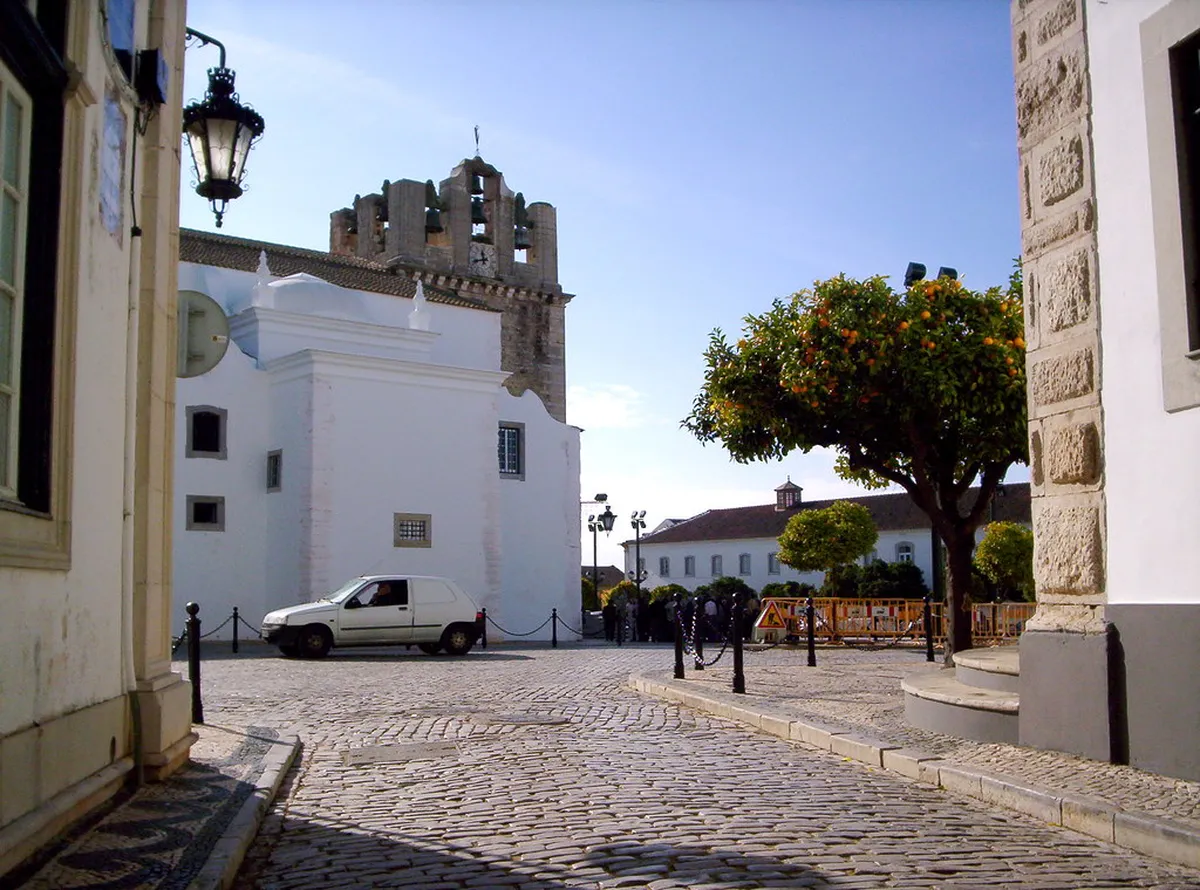
Walk along Largo da Sé streets near the cathedral. You will notice subtle Moorish touches. Whitewashed buildings often feature decorative elements. These might include intricate tile work or iron grilles. Such details hint at past craftsmanship. Many of these designs were introduced during Moorish rule.
Courtyards (patios) are another common feature. They offer cool, private spaces within homes. These inner sanctuaries are a hallmark of Moorish design. They provide privacy and natural ventilation. Discovering these hidden gems is part of the charm. Some are visible through open doorways. Take a walking tour of Faro streets to find them. This helps understand their importance.
Observe the decorative ironwork on balconies and windows. Many designs reflect geometric patterns. Geometric artistry is a key aspect of Islamic art. These patterns remain prominent throughout Vila Adentro. Look closely at gates and railings. You will find fascinating, subtle reminders of the past. The Faro cobbled streets guide points out many such features.
Architectural Elements to Spot in Faro's Streets
Identifying Moorish architectural elements requires a keen eye. Look for specific details as you stroll. These features distinguish Faro's historic buildings. They reflect a blend of cultures. These elements make up some of the best Faro Moorish architecture street examples.
One prominent feature is the use of azulejos. These glazed ceramic tiles adorn many facades. While some are post-Moorish, the tradition dates back. Moorish craftsmen introduced advanced tiling techniques. Vibrant blues and yellows often dominate these designs. They add color and texture to the streetscape. Many azulejos tell historical stories.
Another key element is the ferro forjado (wrought iron). Intricate iron grilles protect windows and balconies. Delicate patterns often incorporate geometric shapes. These designs showcase remarkable artistry. You can find beautiful examples on Rua Conselheiro Bivar. The ironwork creates shadows and depth. It adds elegance to the simple whitewashed walls.
Arches also hint at Moorish roots. While many visible arches are Roman or Gothic, the Moorish influence is clear. Horseshoe arches are less common but still appear. Observe doorways and windows in older buildings. Their shapes might reveal ancient design principles. These structural forms highlight a timeless aesthetic. The best photo spots in Faro often include these unique architectural details. They make for stunning photographs.
Pay attention to the general layout of streets. Narrow, labyrinthine paths offer natural cooling. This design strategy was essential in hot climates. It maximized shade and minimized direct sunlight. Many such paths are part of Faro's unique charm. Explore hidden alleyways in Faro to find them. These elements define Faro's distinct street character. This makes for a truly immersive experience.
Experiencing Faro's Moorish Heritage in 2025
Visiting Faro in 2025 offers a chance to explore this heritage. The city thrives with history and culture. Plan your visit to truly appreciate its Moorish past. Several guided tours focus on historical architecture.
Consider a specialized guided street tour in Faro. Expert guides provide historical context. They point out subtle details you might miss. These tours often highlight the Moorish elements. They offer deeper insights into Faro's development. Check local tourist information centers for tour availability and pricing. Tours typically cost between 15-30 euros per person. Booking in advance is often recommended, especially during peak seasons.
The best time to visit Faro is during spring or autumn. From April to June, the weather is mild. September and October also offer pleasant temperatures. Fewer crowds enhance the exploration experience. You can enjoy the streets without excessive heat. Learn more about the best time to visit streets in Faro. Avoid peak summer months for a more comfortable trip. Local events also happen often.
Wear comfortable walking shoes for your exploration. Many streets are cobbled and uneven. Bring water, especially during warmer months. Remember to look up, down, and all around. The intricate details are everywhere. Discovering these elements adds layers to your visit. Allow plenty of time for leisurely strolls. This approach truly unveils Faro Moorish architecture street examples. This way, you will not miss any details.
Exploring Faro's streets is a sensory delight. The scent of orange blossoms fills the air in spring. Traditional Fado music might drift from open doorways. Take time to sit at a local café. Observe the daily life unfolding around you. This immersive experience completes your journey through Faro's rich heritage. It connects you deeply with the city's past.
Frequently Asked Questions
What specific features define Moorish architecture in Faro?
Moorish architecture in Faro is subtly integrated. Look for intricate azulejos (tiles) on building facades. Many feature geometric patterns. Decorative wrought iron on balconies and windows is also common. These designs often reflect Islamic artistic traditions.
Inner courtyards, or patios, provide cool, private spaces. The overall layout of narrow, winding streets also shows Moorish influence. These features make up the unique Faro Moorish architecture street examples. They tell a story of cultural blend. Consider a walking tour of Faro streets to see these details up close.
Which specific streets should I visit for Moorish architecture in Faro?
The best place to find Faro Moorish architecture street examples is Vila Adentro. This historic Old Town area features many winding alleys. Explore streets around Largo da Sé for notable details. While not strictly Moorish buildings, their foundations and influences remain.
Observe the decorative elements and street layouts carefully. You'll uncover centuries of history. Many beautiful streets in Faro display this layered heritage. The entire Old Town offers a rich tapestry of cultural influences.
How can I best explore Faro's Moorish architectural heritage?
Exploring Faro's Moorish heritage is best done on foot. Allow ample time to wander the Old Town's narrow streets. Consider booking a guided street tour. Knowledgeable guides can point out subtle Moorish influences. They also explain the historical context.
Look for specific details like azulejos and wrought iron. Pay attention to the overall urban plan. This approach will maximize your discovery of Faro Moorish architecture street examples.
Faro's streets are more than just pathways. They are living museums of its rich history. The subtle yet profound Moorish influence adds unique character. Exploring these ancient designs provides a deeper appreciation.
It connects you to centuries of cultural exchange. Discover the charm of Faro Moorish architecture street examples for yourself. Plan your visit to Faro in 2025. Wander through Vila Adentro and its captivating alleys.
Look closely at details that whisper tales. Embrace the city's unique blend of traditions. Book your trip and start your exploration of Faro's beautiful streets today!
Key Takeaways
- Venture into Vila Adentro to discover Faro's prominent Moorish architectural clues.
- Actively look for detailed azulejos, intricate wrought iron, and serene hidden courtyards.
- Consider joining a guided tour to gain deeper historical insights into Faro's Moorish past.