
History of Azulejo Tiles in Portugal: Coimbra's Charm
Discover the rich history of azulejo tiles in Portugal, from Moorish origins to Coimbra's vibrant facades. Explore their evolution and beauty. Learn more!
On this page
Portugal's streets are alive with color and history. Azulejo tiles tell stories on every corner. These beautiful ceramic squares adorn buildings nationwide. Their intricate designs capture centuries of culture. Learning the history of azulejo tiles in Portugal reveals a fascinating journey. This guide explores their evolution, particularly in Coimbra.
Coimbra, a city of rich heritage, showcases azulejos prominently. From ancient university walls to charming alleyways, tiles are everywhere. Understanding their past enhances your visit in 2025. Prepare to be captivated by this enduring art form. You'll find a deep connection to Portuguese craftsmanship.
Moorish Roots: The Genesis of Azulejo Tiles
The story of azulejos begins far from Portugal. Their origins lie in Islamic art from the 13th century. Moors introduced geometric ceramic tiles to the Iberian Peninsula. These early tiles were known as "zellige." They featured complex, interlocking patterns.
Portugal adopted this art form from Spain in the 15th century. King Manuel I was deeply impressed by Andalusian tiles. He brought this decorative tradition to Portugal. Sintra's Royal Palace offers early examples of this Moorish influence. These designs laid the groundwork for future Portuguese styles.
Early Portuguese azulejos often used vibrant colors. They predominantly featured geometric and vegetal motifs. These patterns decorated palaces and churches. You can still see echoes of these beginnings on Coimbra's historic streets. This rich cultural exchange shaped the tile's destiny.
Royal Patronage and Renaissance Influence on Azulejos
King Manuel I truly popularized azulejos in Portugal. He adorned his palaces with Spanish tiles. This royal endorsement sparked a demand for ceramic art. Portuguese workshops began to emerge, creating local styles. They adapted imported techniques to their own vision.
The Renaissance brought new artistic influences. Italian ceramic techniques arrived in the 16th century. Artists started painting narrative scenes on tiles. Figures, landscapes, and mythological stories became popular. This marked a significant shift from purely geometric designs.
Coimbra embraced these new artistic trends. Many buildings in the Coimbra Old Town display Renaissance-era influences. These tiles often featured vivid colors. They added grandeur and storytelling to public and private spaces. This period solidified azulejos as a distinct Portuguese art form.
The Golden Age of Blue and White Azulejos
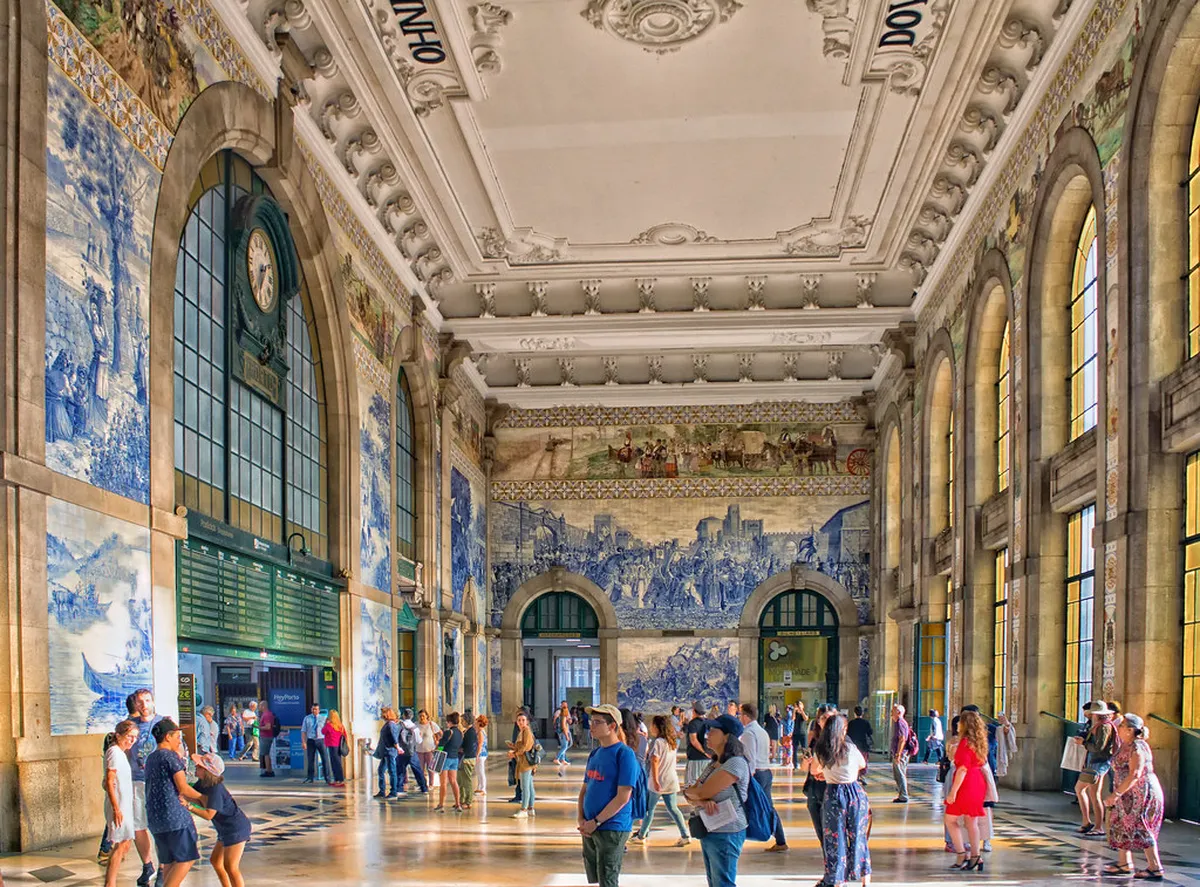
The 17th and 18th centuries marked the golden age of azulejos. Dutch Delftware inspired a shift to blue and white. This monochromatic style quickly became iconic. Large panels depicted historical events, religious scenes, and daily life. They transformed building facades and interiors.
Artists produced enormous tile compositions. These pieces often covered entire church walls. The azulejo tiles on streets became true outdoor galleries. The technique was intricate, requiring great skill. This era saw azulejos reach their peak artistic expression.
Coimbra boasts stunning examples from this period. Its churches and former monasteries show the grandeur. You can capture their beauty by photographing azulejo tiles in Coimbra. These blue and white masterpieces remain a major draw. They beautifully illustrate Portugal's rich artistic past.
Azulejos in Coimbra: A City of Scholars and Splendor
Coimbra, famous for its university, is also rich in azulejos. The city's history is deeply intertwined with these tiles. Many academic and religious buildings feature elaborate tilework. They reflect the city's intellectual and spiritual heritage.
One prominent example is the University of Coimbra itself. Its historic buildings showcase intricate panels. The streets near Coimbra University are a great place to begin. Look closely at the facades; each tells a unique story. These tiles are integral to Coimbra's architectural identity.
To explore Coimbra's azulejos, start downtown. Walk along Rua Ferreira Borges and its surrounding alleys. You will discover many beautiful facades. Local shops also sell reproduction tiles. You can take a piece of this history home with you.
Don't miss the chance to see azulejos on smaller residences. They add character to everyday homes. Wander through the older parts of the city. You'll find exceptional tile art around every corner. For specific locations, check out where to find azulejo facades in Coimbra for more details.
Modern Revival and Preservation of Azulejo Art
Azulejos faced a period of decline in the 19th century. Mass production led to simpler, less artistic designs. However, the 20th century saw a significant revival. Artists rediscovered the beauty and versatility of tiles. They began incorporating modern styles.
Today, contemporary artists create new azulejo masterpieces. They blend traditional techniques with innovative designs. This ensures the art form continues to evolve. You can find modern tile installations in Coimbra's public spaces. They stand alongside the city's historic examples.
Preservation efforts are crucial for historic azulejos. Many organizations work to restore and protect old panels. This maintains Portugal's cultural legacy. These tiles are not just decorations; they are historical records. They tell a visual tale of the nation's past.
When visiting Coimbra in 2025, look for both old and new. Appreciate the intricate details and vibrant colors. Consider visiting local artisans. They keep this craft alive for future generations. Exploring azulejos is a journey through Portuguese art and history.
Frequently Asked Questions
What materials are azulejo tiles typically made from?
Azulejo tiles are primarily made from fired clay, typically earthenware. They are then glazed and hand-painted. This process creates their characteristic durable surface. Early tiles used tin-glaze for a vibrant finish.
The clay is shaped into squares or rectangles. After firing, it receives a white opaque glaze. Artists then paint designs onto this surface. Another firing seals the colors permanently. This craftsmanship has been perfected over centuries.
Where are the best places to see historic azulejos in Coimbra?
Coimbra offers many fantastic spots to see historic azulejos. The University of Coimbra's old buildings are a must-visit. Look for panels inside the chapel and library. The Santa Cruz Monastery also features exquisite tilework.
Wandering through the Coimbra Old Town streets reveals many tiled facades. Explore areas around Quebra Costas steps. Many residential buildings still preserve beautiful old tiles. For detailed directions, consult a guide on finding azulejo facades. Each street holds a unique piece of history.
How old are the oldest azulejo tiles found in Portugal?
The oldest azulejo tiles in Portugal date back to the late 15th century. These were initially imported from Seville, Spain. They featured geometric Moorish designs. The National Azulejo Museum in Lisbon houses many early examples.
King Manuel I's patronage in the late 1400s was key. He significantly boosted their popularity. The Royal Palace of Sintra displays some of the very first tiles. These foundational pieces show the early beauty of azulejo art. They set the stage for Portugal's unique tile tradition.
The history of azulejo tiles in Portugal is truly captivating. From Moorish influences to vibrant blue and white masterpieces, their story is rich. Coimbra beautifully preserves this artistic heritage. Every tiled facade offers a glimpse into the past.
As you explore Coimbra in 2025, take time to appreciate these works of art. They are more than just decoration. Azulejos are the soul of Portuguese streets. Plan your visit to discover their enduring beauty firsthand.
Key Takeaways
- Azulejos originated from Moorish zellige, introduced to Portugal in the 15th century.
- The 17th-18th centuries were the Golden Age, marked by iconic blue and white panels.
- Coimbra offers diverse examples, from university buildings to charming street facades.
- Preservation efforts ensure this vital part of Portuguese heritage continues to thrive.