
Discover Coimbra's Narrowest Street: A Hidden Gem
Explore Coimbra's narrowest street and its hidden charm in 2025. Discover history and local secrets. Plan your unforgettable visit today!
On this page
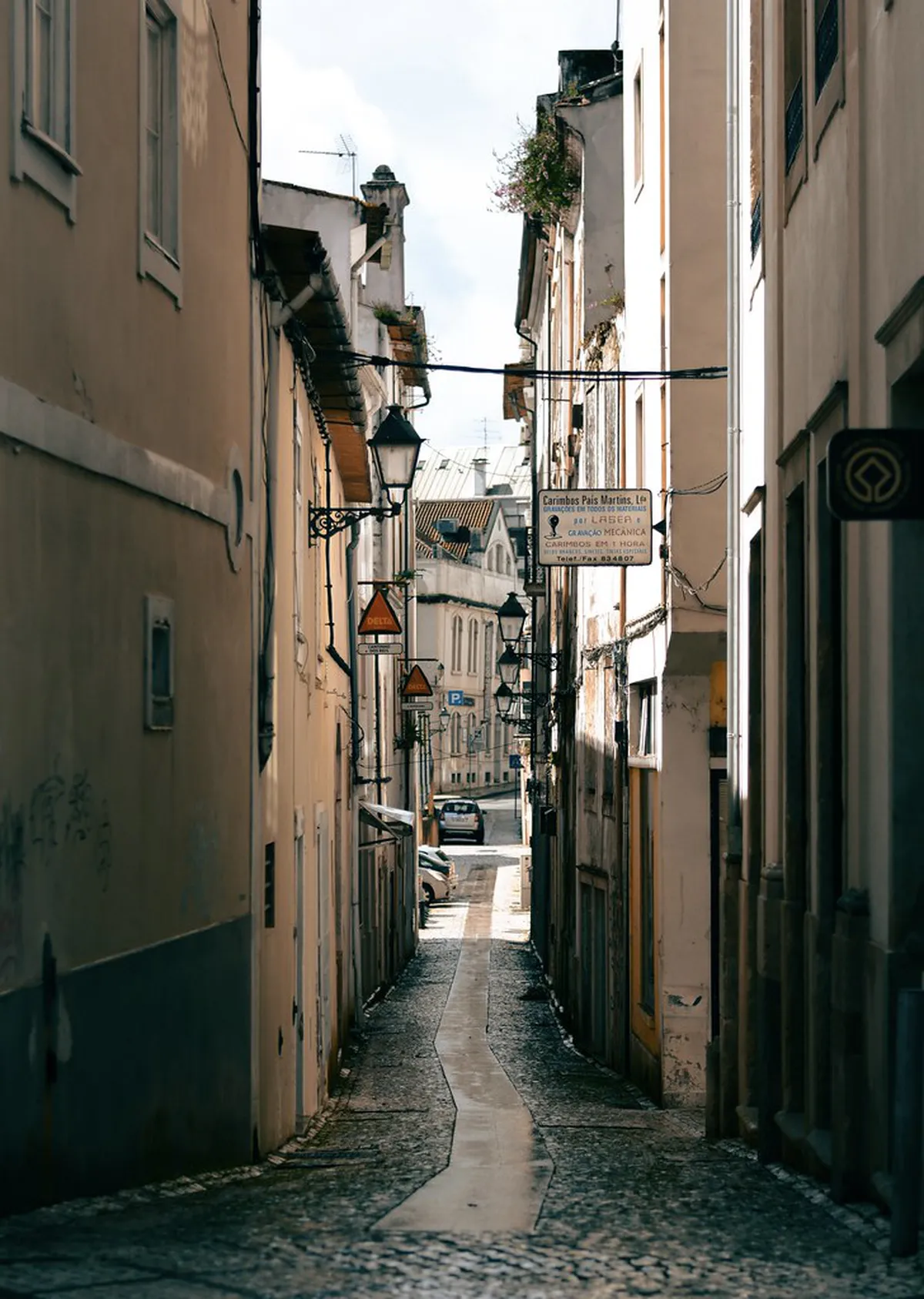
Coimbra, Portugal, offers a labyrinth of charming streets. These ancient pathways tell stories of centuries past. Many travelers seek out its hidden corners. Among these, finding Coimbra's narrowest street is a true adventure. Prepare to explore one of Portugal's most unique urban spaces. This guide will help you navigate these historic streets in Coimbra. Discover the city's unique charm in 2025. You will uncover its special atmosphere.
Coimbra's architecture reflects its rich history. The city's layout evolved over many generations. Many streets remain narrow and winding. They were designed long ago for foot traffic. This creates a distinctive walking experience. These ancient alleys connect different parts of the city. You can find more about the city's medieval street layout here.
What is Coimbra's Narrowest Street Called?
Coimbra's narrowest street is often referred to locally as Beco da Venda Nova. However, there are many contenders for this title. Some other very thin passages exist. Finding the absolute narrowest depends on exact measurements. These tiny alleys are plentiful in the old city. They add immense character to Coimbra's Old Town.
You can find these slender passageways in the city's historic core. They weave through residential areas. Locals use them daily as shortcuts. Tourists love discovering them unexpectedly. Each alley offers a unique perspective on Coimbra's old town streets. Look for small, unmarked entrances. The journey itself becomes part of the discovery.
These streets are remnants of medieval planning. Buildings were constructed very close together. This maximized available space within city walls. Such design also provided shade during hot summers. Walking these streets feels like stepping back in time. You will truly appreciate the city's heritage.
While Beco da Venda Nova is commonly cited, it is not officially documented as the absolute narrowest. Several unnamed alleys also challenge this claim. Exploring these hidden alleys in Coimbra is part of the fun. Your adventure might lead you to your own discovery. Always keep an eye out for these unique passages.
Journey Through Coimbra's Medieval Street Design
Coimbra's street plan reflects its ancient origins. The city grew organically over centuries. Early settlements did not follow a grid. Instead, paths connected important landmarks. These often became winding, narrow streets. This organic growth shapes the city today.
The defensive needs of the past influenced design. Narrow streets were easier to defend. They created bottlenecks for invaders. This practical aspect is still visible. It gives Coimbra its distinctive charm. Discover more about Coimbra's narrow street history.
Building materials were also a factor. Stone and timber houses lined these paths. They created enclosed, cool spaces. This was vital during hot Portuguese summers. The close proximity of buildings defined street width. Many of these structures are still standing in 2025.
Coimbra's University sits atop a hill. The streets below wind down towards the Mondego River. This creates a dramatic elevation change. The steep streets add to the challenge and beauty. Comfortable shoes are highly recommended for exploring. You will climb many steps.
Exploring the Alta and Baixa Districts' Alleys
Coimbra is divided into distinct historical areas. The Alta (Upper Town) sits on a hill. It houses the university and older structures. The Baixa (Lower Town) lies by the river. It is known for commerce and lively plazas. Both areas feature incredibly narrow streets.
In the Alta, tiny alleys connect academic buildings. They also link historic residential homes. Expect steep inclines and many steps. These areas are quieter and more traditional. They offer a glimpse into student life. Explore the streets in Alta Coimbra for incredible views. Many hidden viewpoints await discovery.
The Baixa also holds its share of narrow passages. These often lead to small shops or cafes. They hide just off the main commercial streets. Exploring them reveals local life. The atmosphere is bustling and vibrant. Consider a Coimbra walking tour to experience both districts. Your journey will be enriching.
When visiting in 2025, prepare for varied terrain. Some streets are paved with traditional cobblestones. Others are smoother but still narrow. Always look up to appreciate the architecture. Balconies often almost touch across the alley. This creates a unique enclosed feeling.
Tips for Navigating Coimbra's Steep, Narrow Alleys
Navigating Coimbra's historic streets requires preparation. First, wear very comfortable shoes. Many streets are cobblestoned and uneven. You will encounter numerous steps and steep slopes. Good footwear makes your exploration much more enjoyable.
Second, bring a reliable map or use GPS. These narrow streets can be confusing. They often twist and turn unexpectedly. It's easy to get delightfully lost. However, a map helps if you have a specific destination. You will find your way more easily.
- Travel Light: Avoid heavy backpacks. Tight spaces make large items cumbersome.
- Stay Hydrated: Walking uphill can be tiring. Carry water, especially in summer.
- Watch Your Step: Uneven surfaces and steps are common. Always be mindful of your footing.
Third, visit during off-peak hours if possible. Early mornings are best for photos. You will encounter fewer crowds. This allows for more peaceful exploration. Weekday afternoons are also less busy. Always check opening times for specific attractions. Some operate limited hours in 2025.
Finally, embrace the challenge. These unique pathways are part of Coimbra's charm. They offer unexpected discoveries at every turn. You might find a hidden cafe or stunning viewpoint. Be open to spontaneous detours. Enjoy the adventure of Coimbra's narrowest street and its neighbors. Discover other beautiful streets in Coimbra as well.
Hidden Gems and Photo Opportunities in Narrow Streets
Coimbra's narrow streets are perfect for photography. The unique light and shadows create dramatic scenes. Look for old doorways and colorful tiles. These elements add visual interest to your photos. You can capture the true essence of Coimbra.
Many narrow alleys feature traditional Portuguese azulejos. These decorative tiles adorn building facades. They come in various patterns and colors. Spotting different designs is a fun activity. They make excellent subjects for Coimbra street photography. The intricate details are fascinating.
Keep an eye out for small, family-run businesses. You might find artisan shops or traditional bakeries. These often exist in less-trafficked alleys. Supporting local businesses enriches your trip. They offer unique souvenirs and tastes. Ask for their local recommendations for an authentic experience.
Beyond Coimbra's narrowest street, explore other charming areas. The Quebra Costas steps are iconic. They connect the Baixa to the Alta. This area is full of character and history. It provides great photo opportunities. The views from the top are spectacular, especially at sunset. Experience the magic of Coimbra.
Frequently Asked Questions
What is the specific name of Coimbra's narrowest street?
The commonly cited name for Coimbra's narrowest street is Beco da Venda Nova. However, Coimbra has many extremely narrow passages. There is no single official designation for the narrowest. Locals often use different names for various tiny alleys. Your exploration might reveal other contenders. This makes finding Coimbra's narrowest street an engaging quest. It adds to the charm of the city. You can discover more about these historic alleys.
Why are Coimbra's streets, including the narrowest one, so constricted?
Coimbra's streets are narrow due to its medieval origins. City planners prioritized defense and space efficiency. Buildings were constructed very close together. This maximized habitable areas within the city walls. Such design also offered natural shade from the sun. This traditional layout is a key part of the city's identity. These historic design principles shaped the entire city. The layout provides cool walking paths. Explore Coimbra's medieval street layout for further insights.
Is it easy to walk through Coimbra's narrowest streets?
Walking through Coimbra's narrowest streets is generally easy for most. However, expect uneven cobblestones and steep sections. Some areas, like the steep streets, require good footwear. The very narrow alleys might feel tight. They can be challenging for those with mobility issues. Always take your time and watch your step. The experience is rewarding. It offers a unique glimpse into local life. Plan your visit for 2025.
What unique features should I look for on Coimbra's hidden alleys?
On Coimbra's hidden alleys, look for distinctive architectural details. Many buildings feature beautiful azulejo tiles. You might also spot old, ornate doorways and intricate ironwork. Discover small, local shops selling handicrafts. These alleys often lead to charming cafes. Unexpected viewpoints can also emerge. These offer stunning city panoramas. Exploring them provides a real sense of discovery. Each turn reveals a new surprise. Capture some great photos. You might find a unique piece of Coimbra street art.
Coimbra's narrowest street, whether Beco da Venda Nova or another hidden gem, captures the city's spirit. These ancient passages offer a unique journey. They connect visitors to Coimbra's rich past. Exploring them is an essential part of any trip. Prepare for charming discoveries around every corner. This experience provides lasting memories.
As you wander, embrace the local atmosphere. Enjoy the blend of history and daily life. Coimbra's charm lies in its intricate details. Plan your adventure for 2025. You will create unforgettable moments. For more inspiration, check out other most beautiful streets in Coimbra. Start planning your exploration today!
Key Takeaways
- Wear comfortable shoes for navigating cobblestone streets and steep inclines.
- Look for local details like azulejo tiles and unique architecture in the narrow alleys.
- Embrace getting lost; these hidden streets often lead to unexpected discoveries.